Urumqi rewards a simple structure: the city and its nights on day one, the mountains on days two and three. The jet lag of a westbound flight actually helps — the city dines at 20:00 and the bazaar peaks at 22:00, so late dinners are the local default, not a compromise.
At a glance
- Day 1Regional Museum → pilaf lunch → Hongshan Park at golden hour → Grand Bazaar food rows
- Day 2Early tourist bus → Tianchi boardwalk → boat or Maya Mountain cableway → back for big-plate chicken
- Day 3Nanshan Pastures → yurt milk tea & horse ride → 领馆巷 final grill → station or airport
Day 1
The mummies, the hill and the bazaar at night
Regional Museum → pilaf lunch → Hongshan Park at golden hour → Grand Bazaar food rows
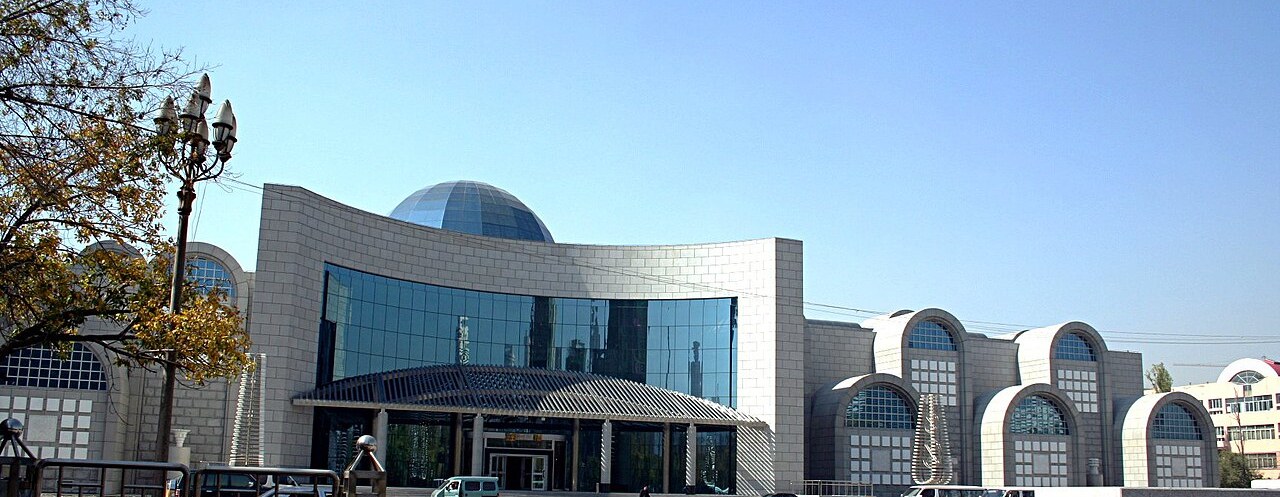
Start at the Regional Museum when it opens (10:00, reserved slot): the Tarim mummies hall before the groups, then the 'Five Stars rise in the East' brocade and the Silk Road halls — two to three hours that reframe everything you'll see in Xinjiang. Lunch on pilaf (the good pots sell out by mid-afternoon). Rest through the heat, then up Hongshan hill for the classic skyline-and-Tianshan panorama at golden hour. Descend into the bazaar quarter after 20:00: samsa off the tandoor wall, yogurt zongzi for dessert, the viewing tower lit gold, free performances if the night has one.
 Day 2
Day 2
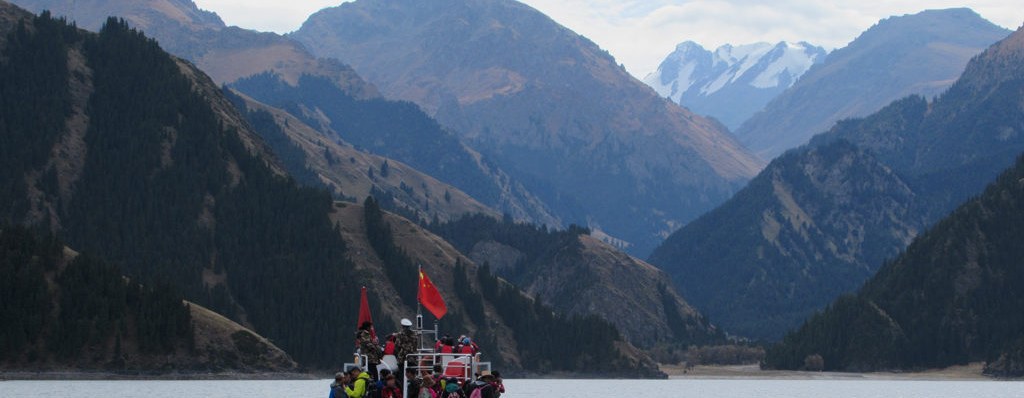
Heavenly Lake under Bogda Peak
Early tourist bus → Tianchi boardwalk → boat or Maya Mountain cableway → back for big-plate chicken
Take the earliest tourist bus or a charter (97 km, about 90 minutes) to beat the groups to the lake. The ¥155 ticket includes the shuttle to the shore; walk the spruce boardwalk first while the water is still, then choose: the boat out onto the lake, or the Maya Mountain cableway for the panorama over both lake and glacier. Bring a layer — it's 8–10°C cooler than the city even in August. Back in town by early evening for a shared platter of big-plate chicken with belt noodles.
 Day 3
Day 3
The Kazakh pastures, then the long road west
Nanshan Pastures → yurt milk tea & horse ride → 领馆巷 final grill → station or airport
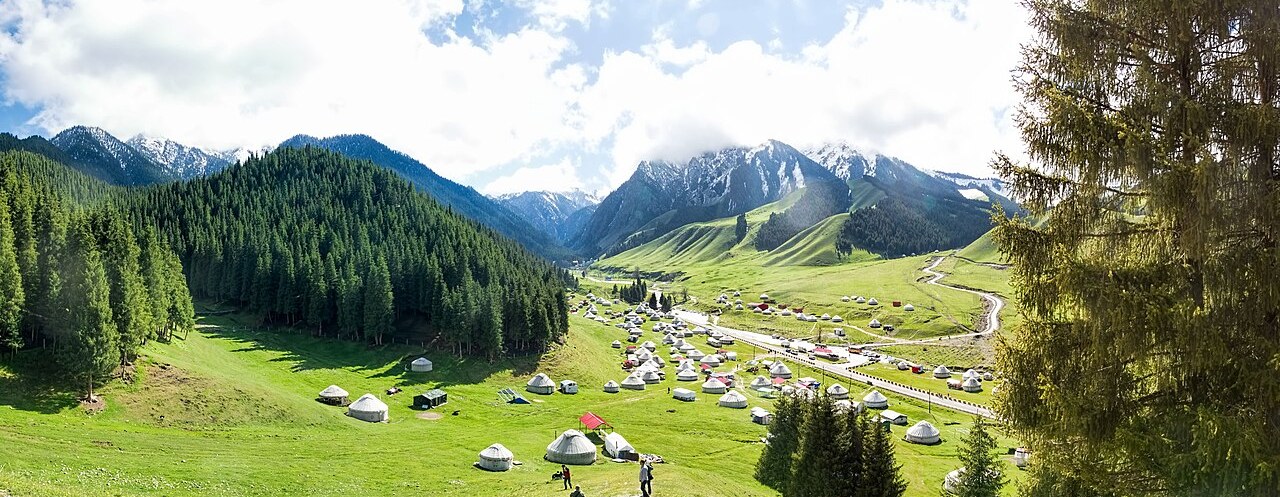
An hour south the city dissolves into summer pasture: spruce valleys, wildflowers, white yurts. Ride a horse by the hour, take milk tea in a felt tent, walk toward the Xibaiyanggou waterfall (¥45) if the legs want more. Aim to be back by late afternoon — tonight is either one last skewer-and-naan session on 领馆巷, or the evening flight or overnight train onward: Kashgar, Yining or home. If it's a Monday, swap days 1 and 3 — the museum will be closed.
Eat like you mean it
- SamsaBazaar food rows — tandoor lamb buns, buy two batches.
- Big-plate chickenOne platter feeds two-three; noodles into the gravy.
- PilafLunch only — the good pots are gone by mid-afternoon.
- Lamb skewers & naan领馆巷 or the bazaar grills; cumin and chili, by the handful.
- Yogurt zongziSticky rice under tart yogurt and fig jam — the local dessert.
Where to stay
- Tianshan district (bazaar quarter)Atmosphere and nights on foot; book foreigner-friendly hotels.
- Shayibak (museum & Youhao)The practical middle: museum close, metro and big hotel names.
- High-speed rail new townEarly trains west; a ride from the evening action.
Before you go
- Passport, always: hotel check-in, metro scanners, bazaar gates. A phone photo of your passport and visa is a good backup.
- The museum is free but reservation-only and closed Mondays — book a day ahead and go at 10:00 for the mummies hall.
- Live on local time: lunch 14:00, dinner 20:00, bazaar 22:00. Showing up at 18:00 for dinner ends in confusion.
- Tianchi is 8–10°C colder than the city — bring a layer even in August, and the earliest bus beats the crowds.
- There is no 240-hour transit-free port in Xinjiang: sort the 30-day unilateral visa-free or a tourist visa before booking.
One honest thing — Two rules shape the trip: the museum is closed Mondays and reservation-only, and the whole city runs two hours later than your watch — dinner at 20:00, bazaar at 22:00. Carry your passport everywhere.