Tianjin CITY BOARD

Tianjin 天津

Thirty minutes from Beijing by bullet train: a treaty-port city of European mansions, a Ferris wheel on a bridge, and the country's most serious breakfast.

Introduction

Tianjin is the city the world built at Beijing's seaport. When the treaty ports opened in 1860, nine foreign powers carved concessions out of this stretch of the Hai River — and left behind a townscape of British villas, Italian arcades and French banks that survives almost intact. You can spend a whole day cycling the Five Great Avenues without paying a single admission fee. Across the river, the city answers its European layer with an older Chinese one: the Ancient Culture Street around the Tianhou temple, teahouses where crosstalk comedy (相声) is a religion, and a breakfast culture — jianbing, guoba cai, old tofu — that locals will fight you over. Thirty minutes from Beijing by high-speed rail, Tianjin is the easiest extension of any Beijing trip, and its prices are gentler than the capital's.

Travel highlights

The concession city is free to wander

Nine foreign concessions left more than 2,000 European-style mansions along the Five Great Avenues, an entire Italian-style quarter by the river, and the old bank halls of Jiefang North Road. None of it charges admission — rent a shared bike and treat the city as an open-air architecture museum.

Beijing's easiest escape

High-speed trains run from Beijing South every few minutes: 30–37 minutes, ¥54.5 second class, bookable on 12306 with a passport. Tianjin works as a day trip — but stay one night and you get the Eye lit up, a river cruise and a proper breakfast, which is half the point.

The Binhai coast is a separate half-day

Fifty kilometres east, Binhai holds two buildings worth the trip: the National Maritime Museum (free, reserve ahead) and the 'Binhai Eye' library, whose white book-mountain interior is one of the most photographed rooms in China. Take Line 9 or a train to Binhai station — do not try to squeeze it into a city-centre morning.

Breakfast and crosstalk are the culture

Locals take morning food seriously: jianbing flipped to order, guoba cai (savoury pancake strips in gravy) and old tofu in the 西北角 quarter, gone by 10:00. Evenings belong to 相声 — teahouse crosstalk from ¥40–120 a seat. And a warning every Tianjin local gives: skip 狗不理, the famous-name baozi, and eat where the queues are instead.

Travel alerts

Top attractions

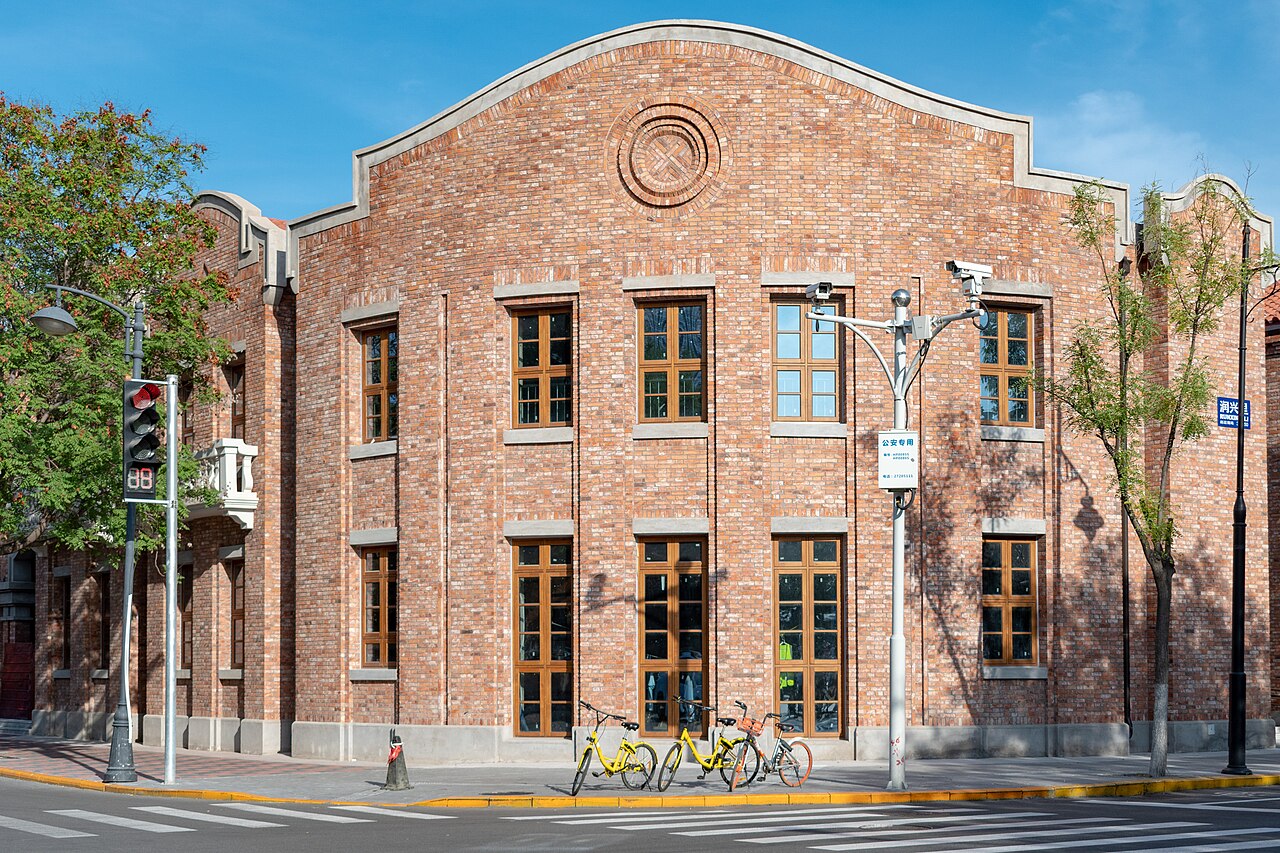
A red-brick 1920s mansion on a leafy corner of the Five Great Avenues, shared bikes parked outside.

Five Great Avenues

Two thousand-plus mansions in every European style, built when this was the British concession — today a grid of leafy streets best done by shared bike, for free. Anchor points: Minyuan Plaza, the Qing Prince's Mansion (庆王府, ¥24) and the small Wudadao history museum (¥25). Two to three unhurried hours; metro Line 1 to Xiaobailou, then walk or ride.

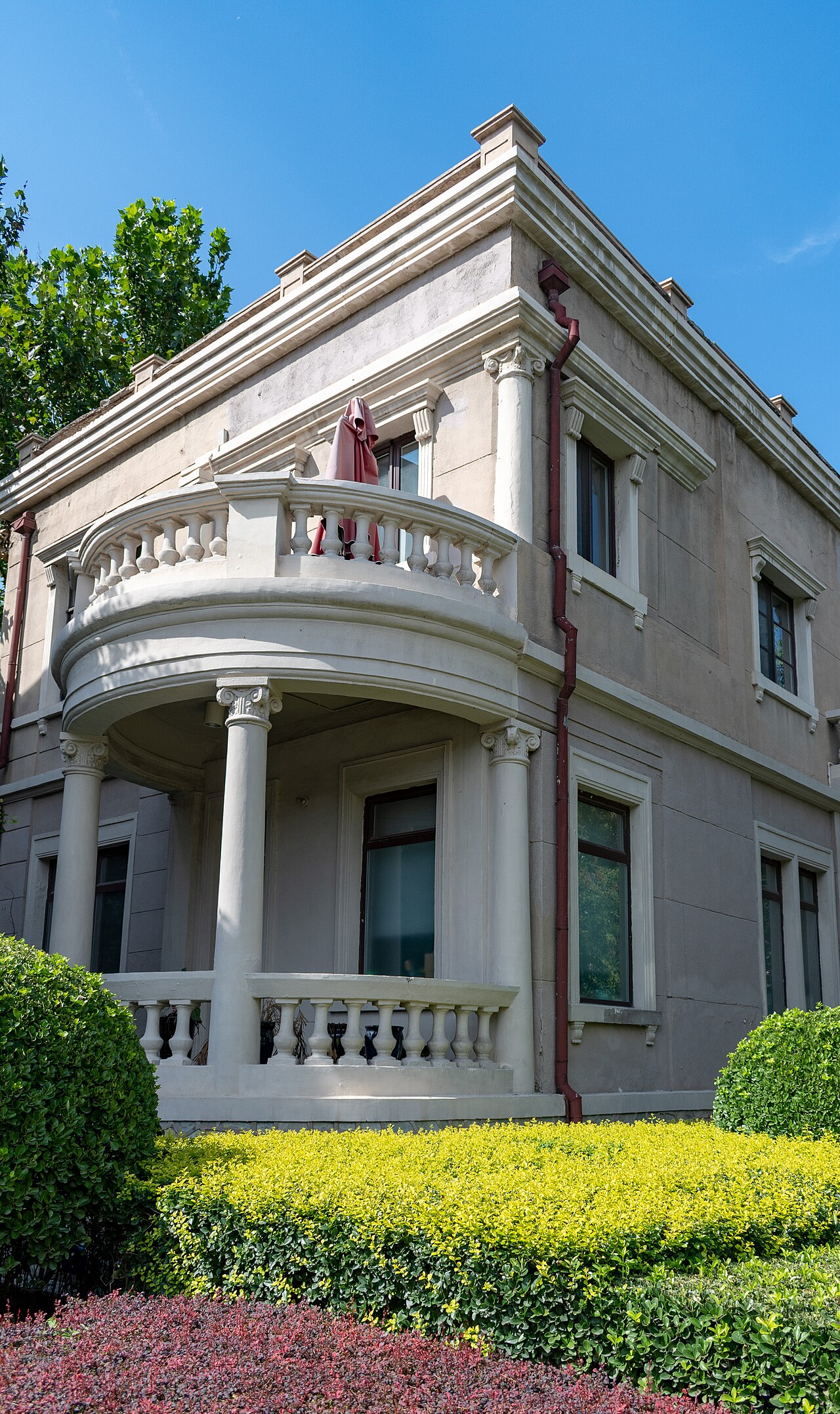
A white Italianate villa with a curved balcony and clipped hedges in the Italian Style Town.

Italian Style Town

The old Italian concession rebuilt as a pedestrian quarter of arcades, fountains and outdoor cafés — Asia's largest surviving Italianate streetscape. It is free, it is prettier after dark when the lights come on, and it sits right on the Hai River: combine it with a riverside walk past the old bank halls toward Jiefang Bridge.

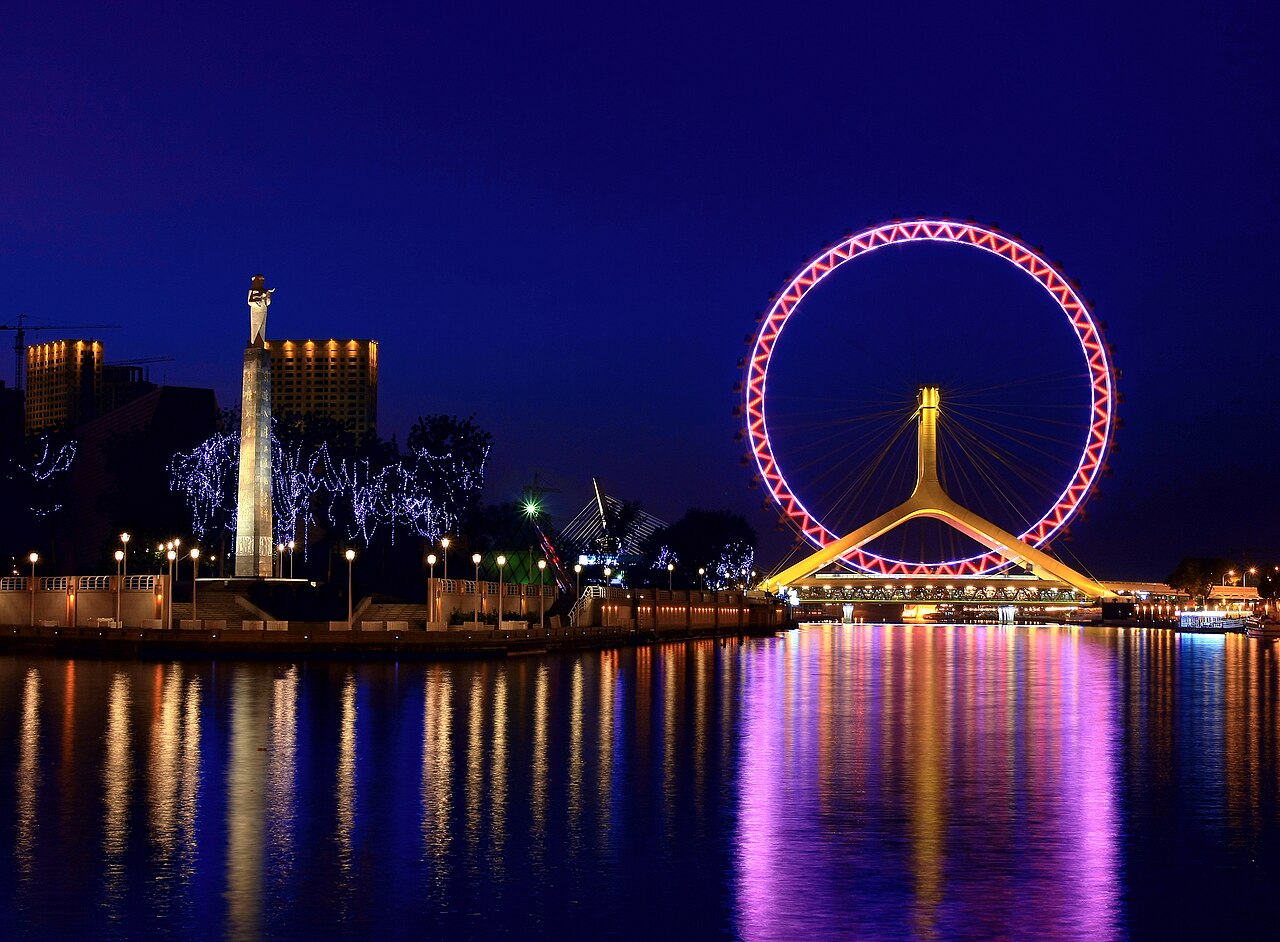
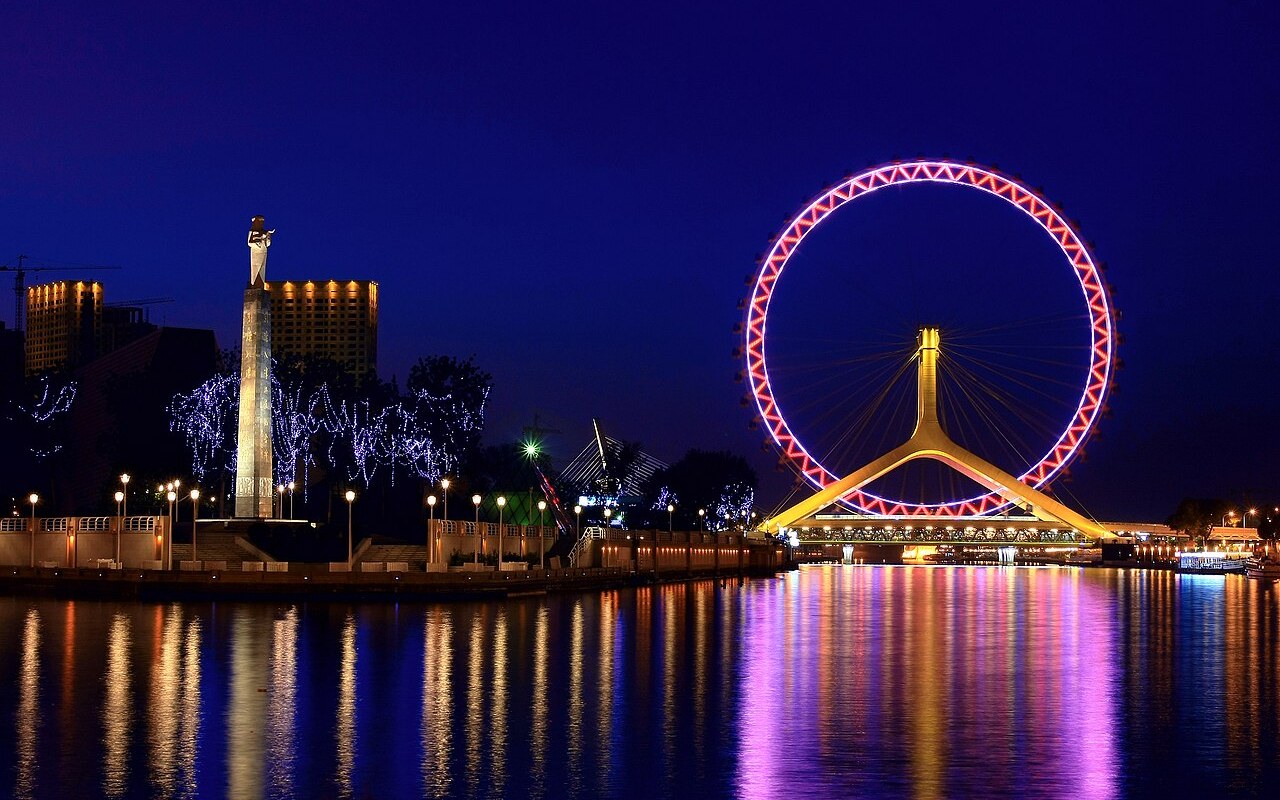
The Tianjin Eye ferris wheel lit pink over the Yongle Bridge, its reflection stretching down the Hai River at night.

Tianjin Eye & the river at night

The world's only Ferris wheel built on a bridge, 110 m over the Hai River. Day rides are ¥90, the night ride — when the city lights up and the wheel turns pink — is ¥138 (children and seniors half price), and sunset slots sell out first, so book a day or two ahead. The free alternative is nearly as good: the wheel from the riverbank below, then a Hai River cruise (from ¥80).

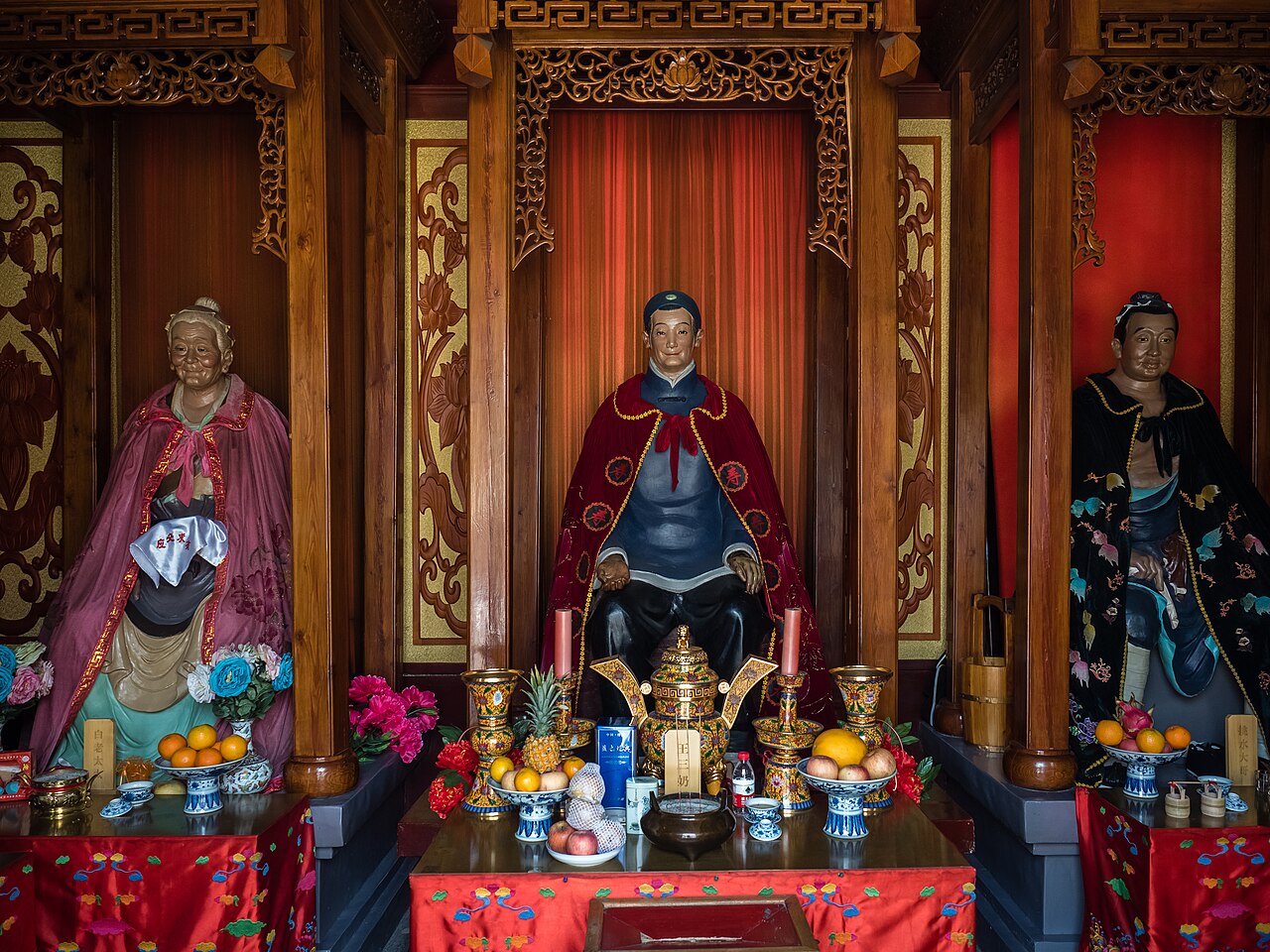
The altar of Tianhou Palace with painted deity statues and offerings under carved wooden canopies.

Ancient Culture Street & Tianhou Palace

Old Tianjin's market street: clay-figure workshops, kites and New Year prints, snack stalls, and at its heart the Tianhou Palace, the 14th-century temple of the sea goddess that guarded the river trade. Free to wander, busiest on weekends; allow an hour or two, then walk 10 minutes north to the 西北角 quarter if it is still morning — that is where breakfast lives.

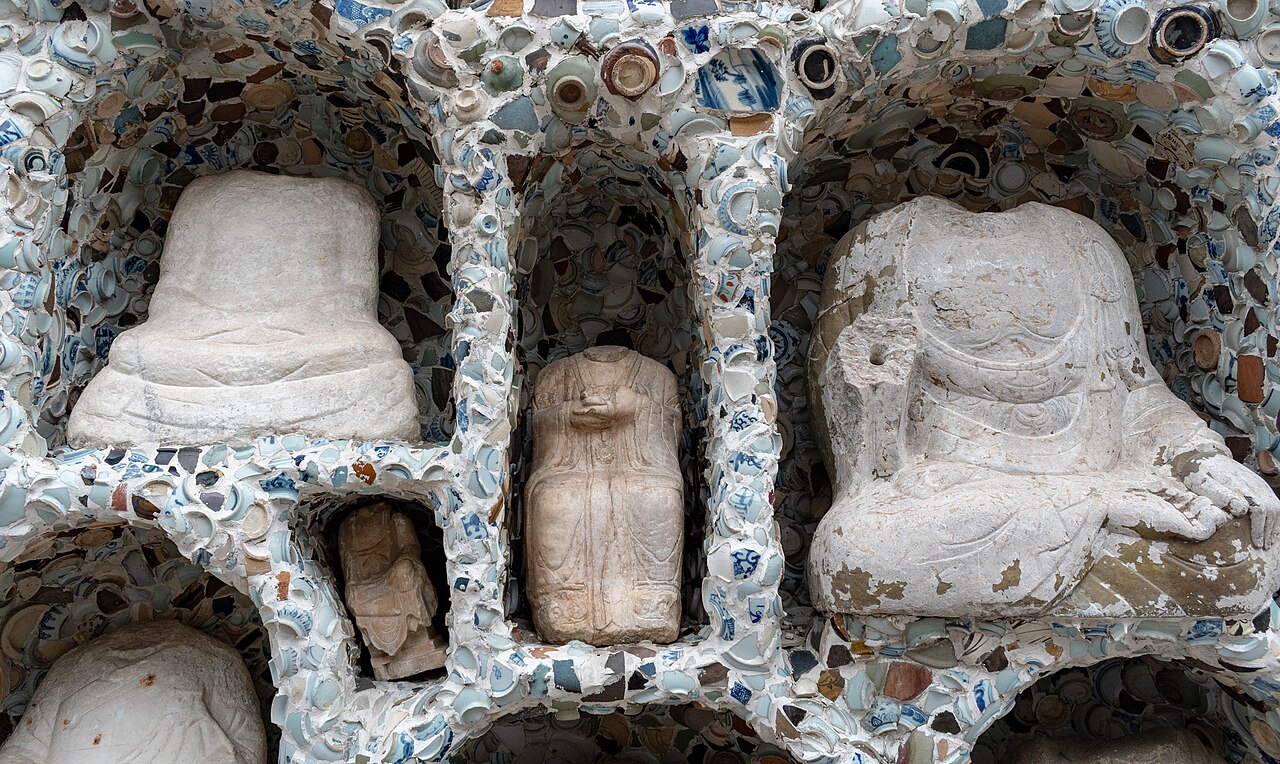
Statues set into wall niches entirely crusted with blue-and-white porcelain shards at the Porcelain House.

Porcelain House

A French-style villa its owner spent decades skinning in antique porcelain — millions of shards, plates and vases set into every surface, inside and out. The official line is ¥50 entry (¥30 concessions); the honest line from most visitors is that the facade, photographed free from the street, is the best part. Metro Line 1 to Binjiangdao, three minutes on foot.

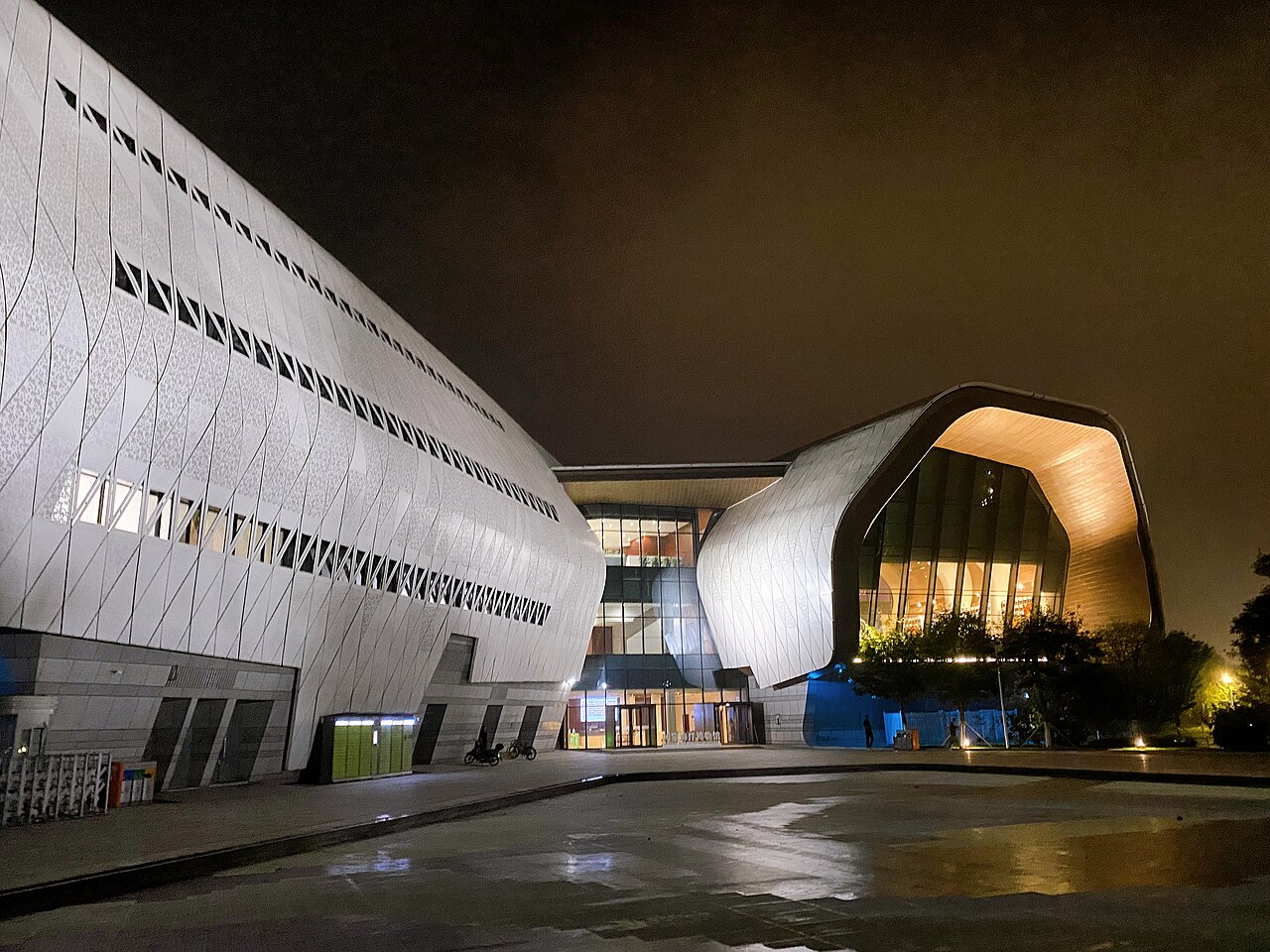
The sweeping white curves of the National Maritime Museum lit at night above its entrance plaza.

National Maritime Museum & Binhai Library

The coast's double act, 50 km east. The National Maritime Museum — China's only national ocean museum, 'the Forbidden City of the sea' — is free with a reservation in the 掌上国海博 mini-program; the whale-shark specimen and the Song-dynasty ship are the draws. Nearby, the Binhai Library's white terraced book-mountain is the internet's favourite reading room (free, bring ID; note the upper tiers are printed panels, not shelves of books). Both close Mondays. Metro Line 9 to Binhai, then a taxi.

Local cuisine

Where to stay

Stay near a Line 1, 2 or 3 station and the whole centre compresses to a 15-minute metro ride. Prices run well below Beijing's for the same chains. One night is enough for the city; add a second only if Binhai's coast is on the list — or sleep out there and do the museums at opening time.

Getting around

Getting here

  • High-speed rail from Beijing

    Beijing South to Tianjin or Tianjin West: 30–37 minutes on the C trains, second class ¥54.5, departures every few minutes from dawn to late night. 12306 accepts foreign passports.

  • Tianjin Binhai Airport (TSN)

    Domestic hub plus regional international flights; metro Line 2 runs from the terminal to Tianjin Station in about 30–40 minutes. TSN is also a 240-hour visa-free transit port.

  • Trains to the coast

    For Binhai's museums: intercity trains from Tianjin station to Binhai or Tanggu in about 30–60 minutes, or metro Line 9 the whole way — both land you within a short taxi of the maritime museum.

Know your stations: Tianjin (天津站) is the central one on the river; Tianjin West (天津西) handles many Beijing trains and sits on Line 1; Tianjin South is far out on the Beijing–Shanghai line. From Beijing South, trains to 滨海 (Binhai) run through the city and continue to the coast — buy straight through if the museums are your first stop.

Local transport

  • 🚇

    Metro

    Lines 1, 2, 3 and 6 cover the centre — palace-quarter, station, Eye and shopping streets; Line 9 is the light rail to Binhai. Single rides a few yuan; gates take Alipay and WeChat Pay QR.

  • 🚲

    Shared bikes

    The right way to do the Five Great Avenues: flat, leafy, and too spread out for pleasant walking end to end. Meituan and Hello bikes are everywhere; a couple of yuan an hour.

  • 🚕

    Taxi & DiDi

    Plentiful and cheaper than Beijing — most central rides are ¥10–25. DiDi works everywhere including the airport and Binhai.

Carry your passport or ID: the free museums (maritime museum, library) check documents at the door. For Binhai, do not trust a naive map pin — the maritime museum sits in the Eco-city, still 20 minutes by taxi beyond the end of Line 9; the through train to Binhai station plus a taxi is the sane route.

What's on

Recommended routes

All routes →

FAQs

Is Tianjin worth a day trip from Beijing?

Yes — and it is the easiest one there is: 30–37 minutes by high-speed rail from Beijing South for ¥54.5. One full day covers the Five Great Avenues, the Italian quarter, the Ancient Culture Street and the Eye at dusk. Stay the night if you want the river cruise and a proper breakfast.

One day or two?

One day for the centre, two if you add Binhai. The maritime museum and the library are each worth the trip, but the coast is 50 km away and needs its own half-day at minimum.

Day or night on the Tianjin Eye?

Night, if you can get the slot: the ¥138 night ride is when the wheel and both banks light up, and it is the postcard shot. Day rides (¥90) are easier to book and still give the river panorama. Either way, book ahead for weekends.

Is the Porcelain House worth the ¥50?

The honest answer most visitors give: photograph the facade for free, and go inside only if porcelain mosaics genuinely interest you — the interior is small. Your hour is better spent on the Five Great Avenues, which cost nothing.

What is the one thing not to miss eating?

A proper Tianjin breakfast in 西北角: jianbing flipped to order, a bowl of guoba cai, old tofu on the side — before 10:00, or the best stalls are sold out. And skip 狗不理; every local will tell you the same.

Can I use the 240-hour visa-free transit here?

Yes — Tianjin Binhai Airport and the Tianjin passenger seaport are both designated ports, covering stays within the Tianjin municipality for 55 nationalities with an onward ticket.

Is the Binhai Library worth the trip?

If the photos spoke to you, yes — the book-mountain hall is as striking in person. Two honest caveats: the upper tiers are printed panels rather than shelves of books, and it is a library first, so keep voices down. Pair it with the maritime museum to make the 50 km pay.