Is Urumqi worth visiting on its own, or just a transit stop?
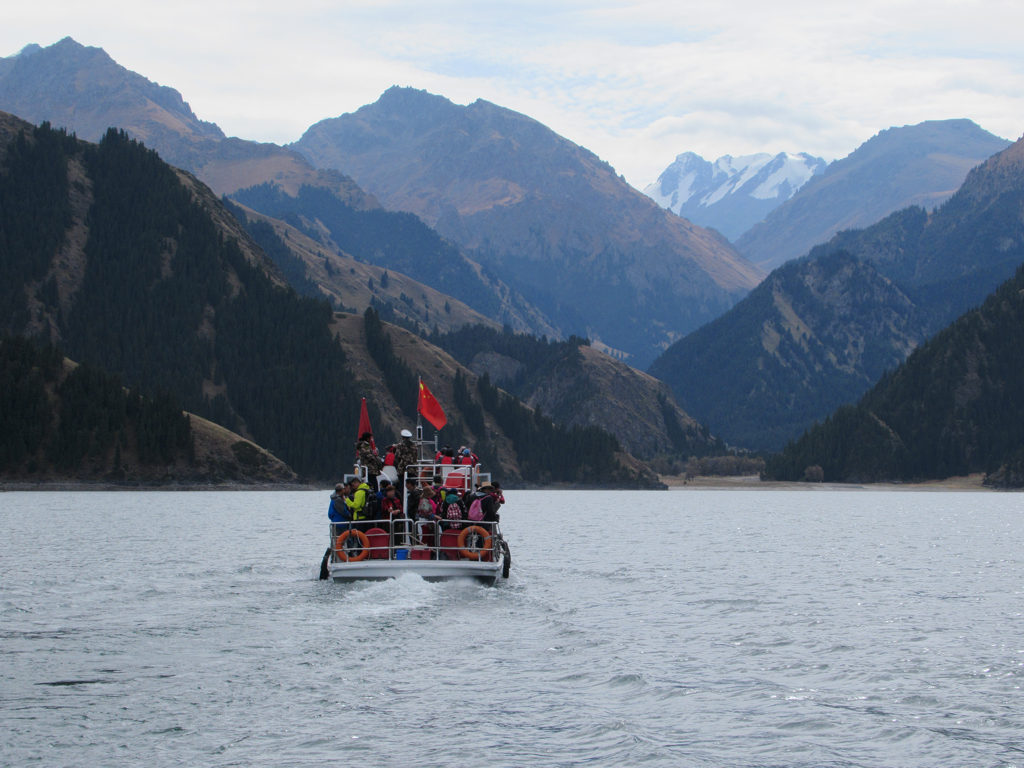
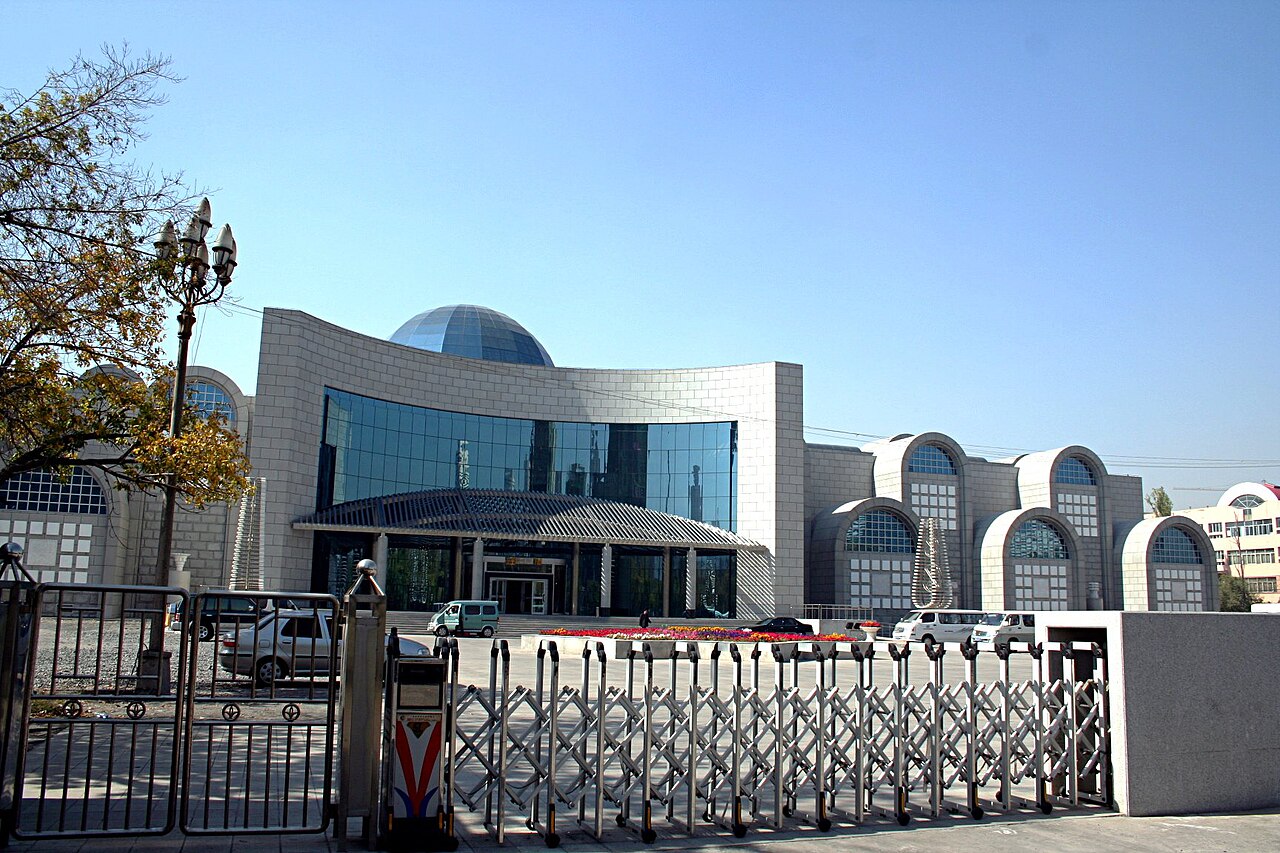
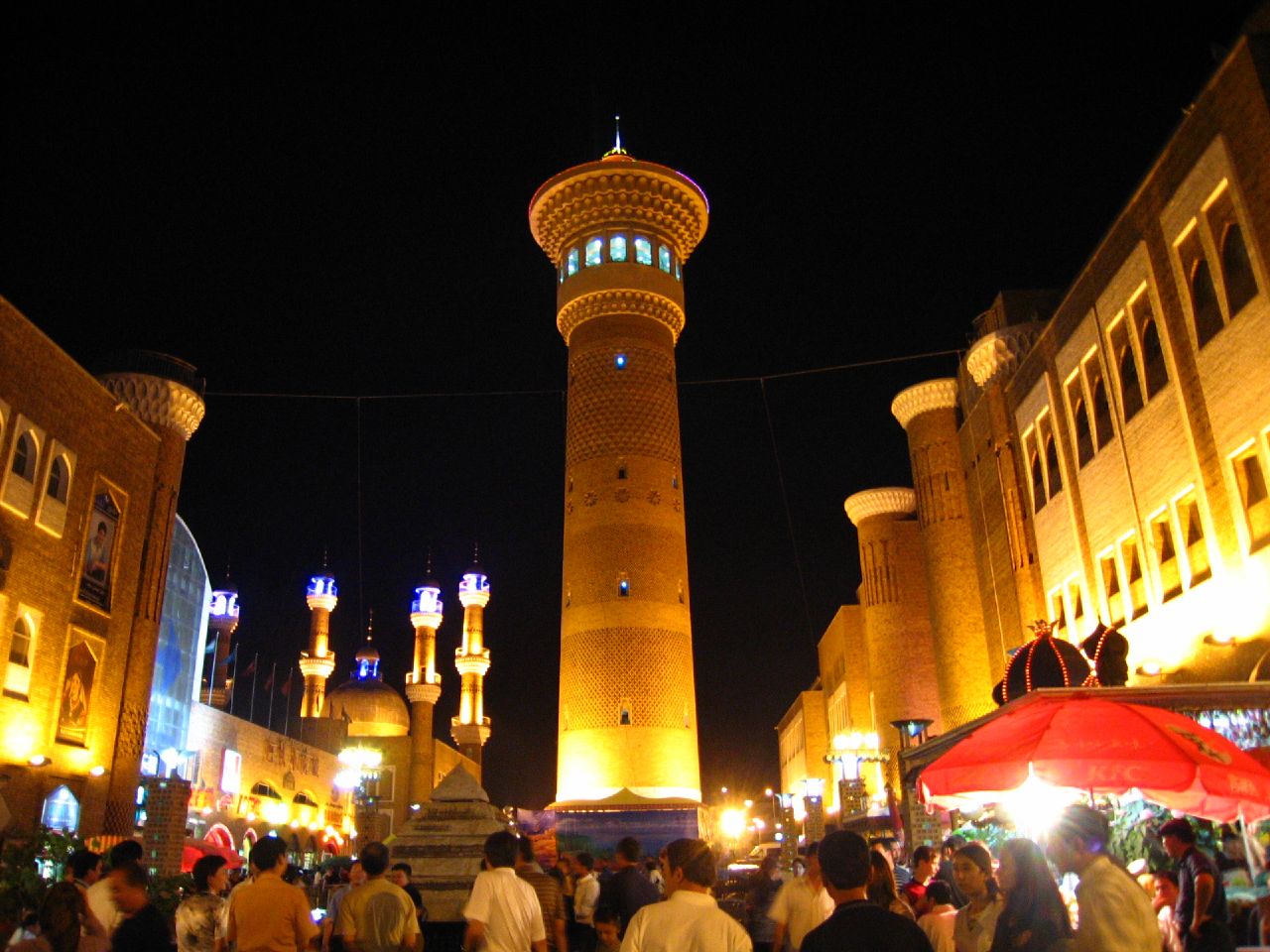
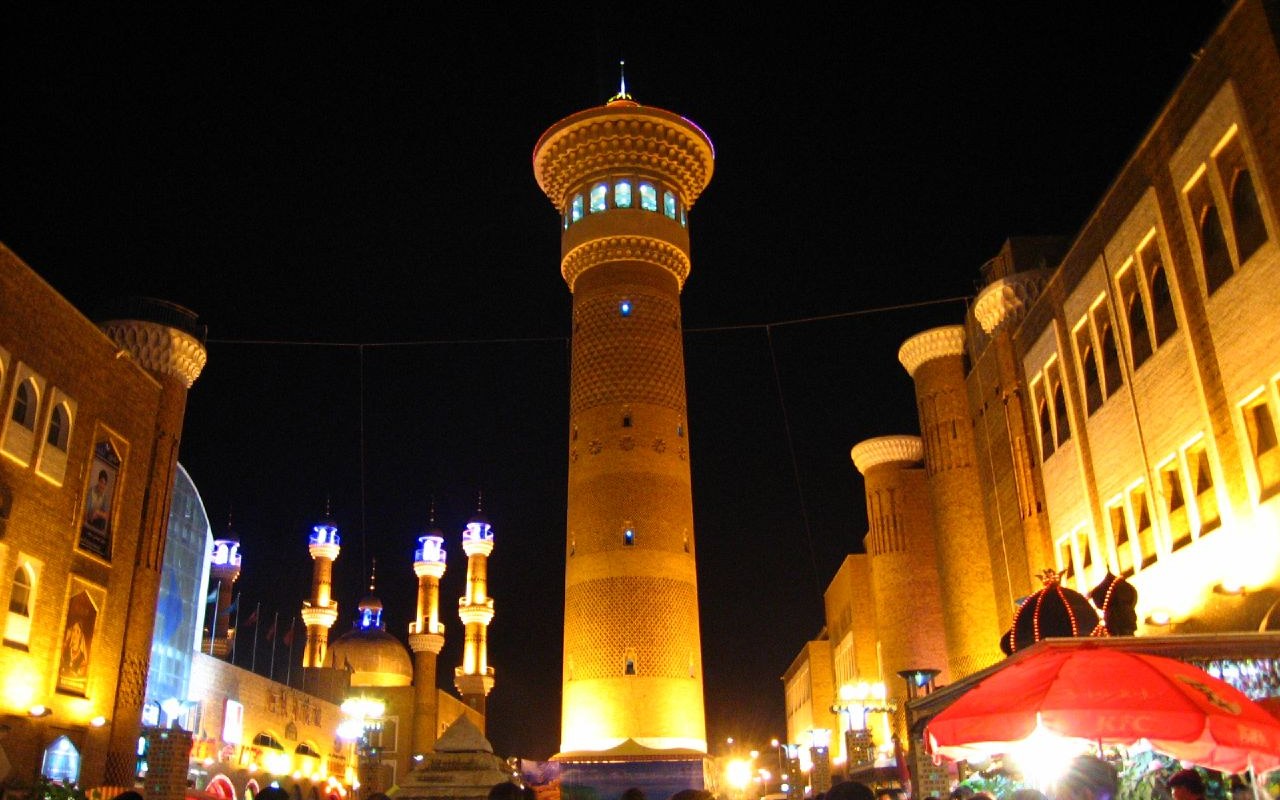
Two days minimum, honestly three. The museum alone justifies half a day (the mummies and the Five-Star brocade are world-class), Tianchi is the easiest alpine lake in China, and the bazaar quarter at night is unlike anywhere else in the country. It's also the base that makes the rest of Xinjiang work.
How many days should I give it?
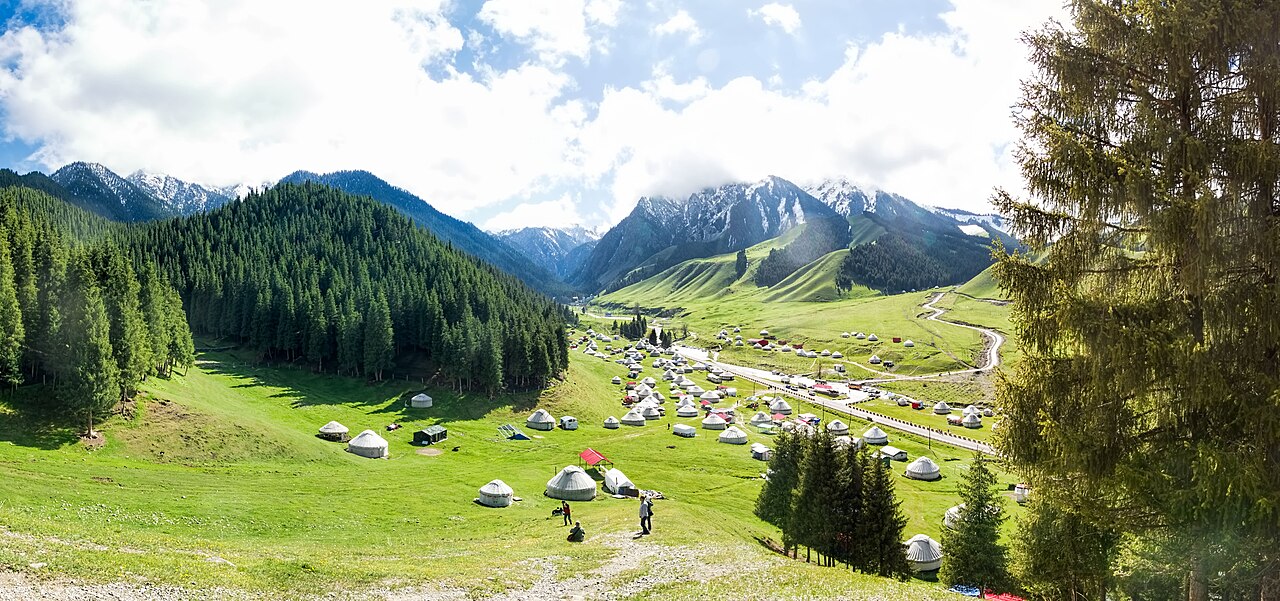
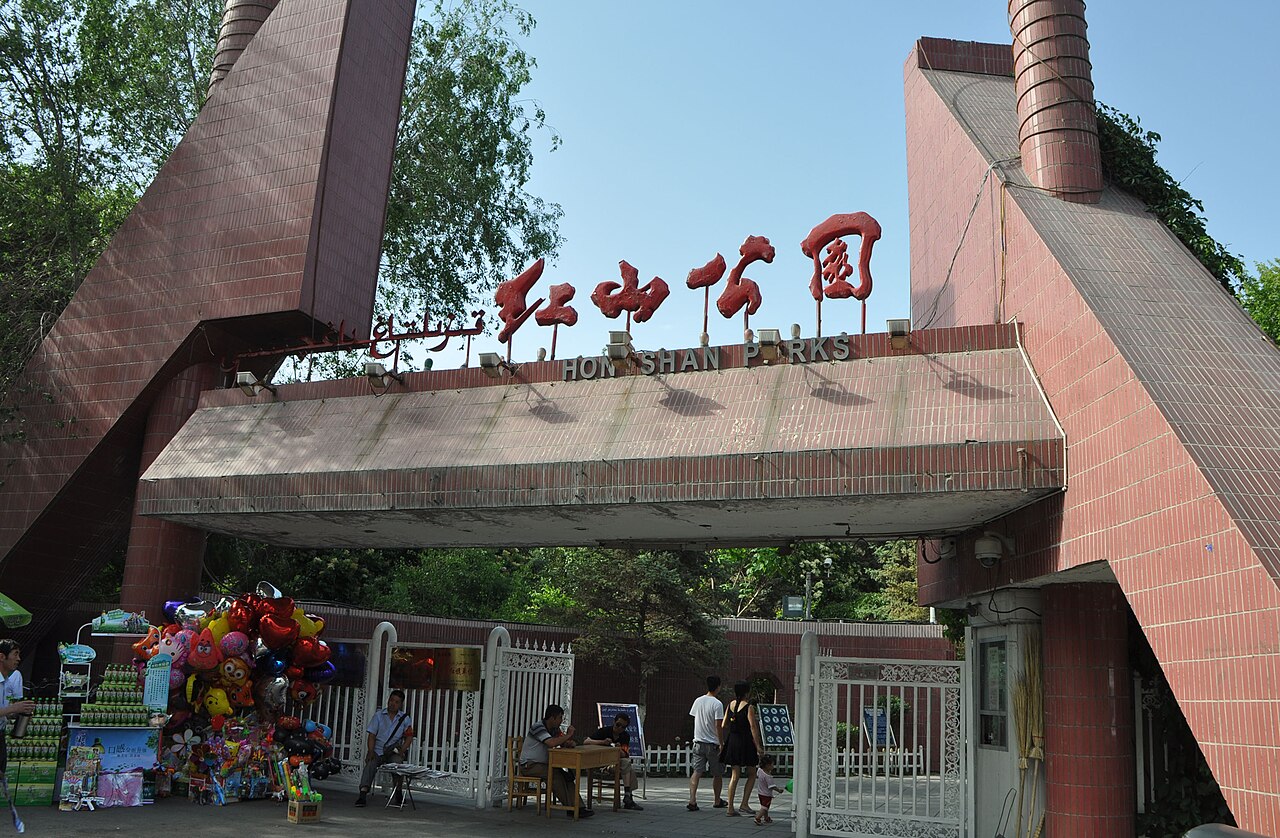
Day 1: museum + Hongshan sunset + bazaar night. Day 2: Tianchi day trip. Day 3 (optional): Nanshan pastures or a Turpan side-trip by train (1 hour). Then fly or rail onward to Kashgar or Kanas.
Is it safe and easy for foreign travellers?
Urumqi is heavily visited by domestic tourists and routine for foreigners too. The practicalities are just more visible than elsewhere in China: passport checks, hotel registration, security scanners at public entrances. Book hotels that accept foreigners, carry your passport, and the rest feels like any big Chinese city.
What's the deal with the time zone?
Officially everything is Beijing time, but the sun disagrees — sunset in summer comes around 21:30–22:00. Locals effectively live two hours later; restaurants fill at 20:00 and the bazaar peaks near 22:00. Jet lag works in your favour here.
Can I drink the tap water? Any altitude worries?
Drink bottled or boiled water, as everywhere in China. Urumqi itself sits at about 800 m — no altitude issues. Tianchi is 1,910 m, still comfortable for nearly everyone; only the high Tianshan treks need acclimatisation.
When is the best season?
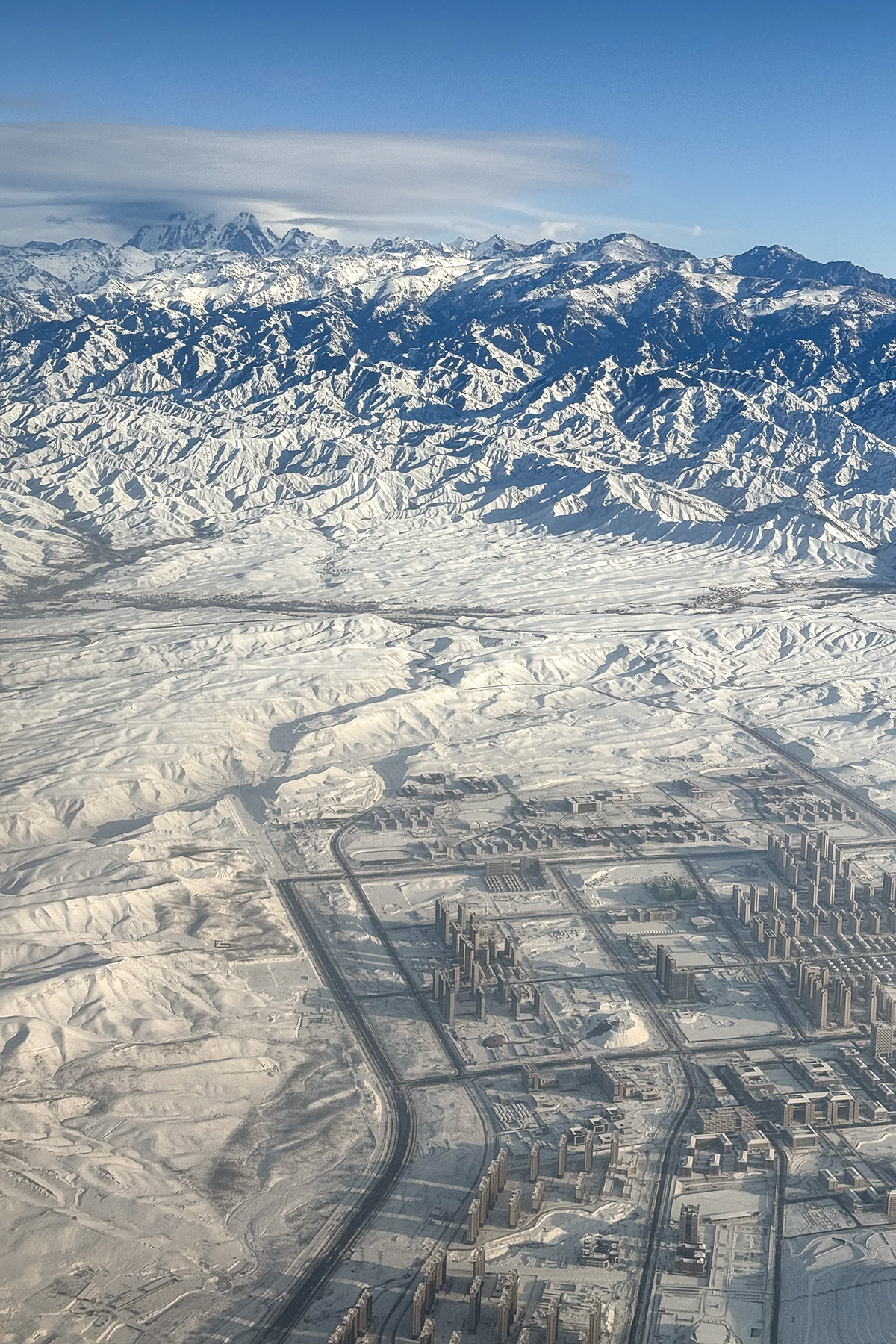
June to September: green pastures, warm days, the lake fully open, fruit season (Hami melons, grapes from Turpan). Autumn colours peak late September. Winter is serious cold but brings skiing near the city and an empty, snowy Tianchi.