Macau CITY BOARD

Macau 澳门

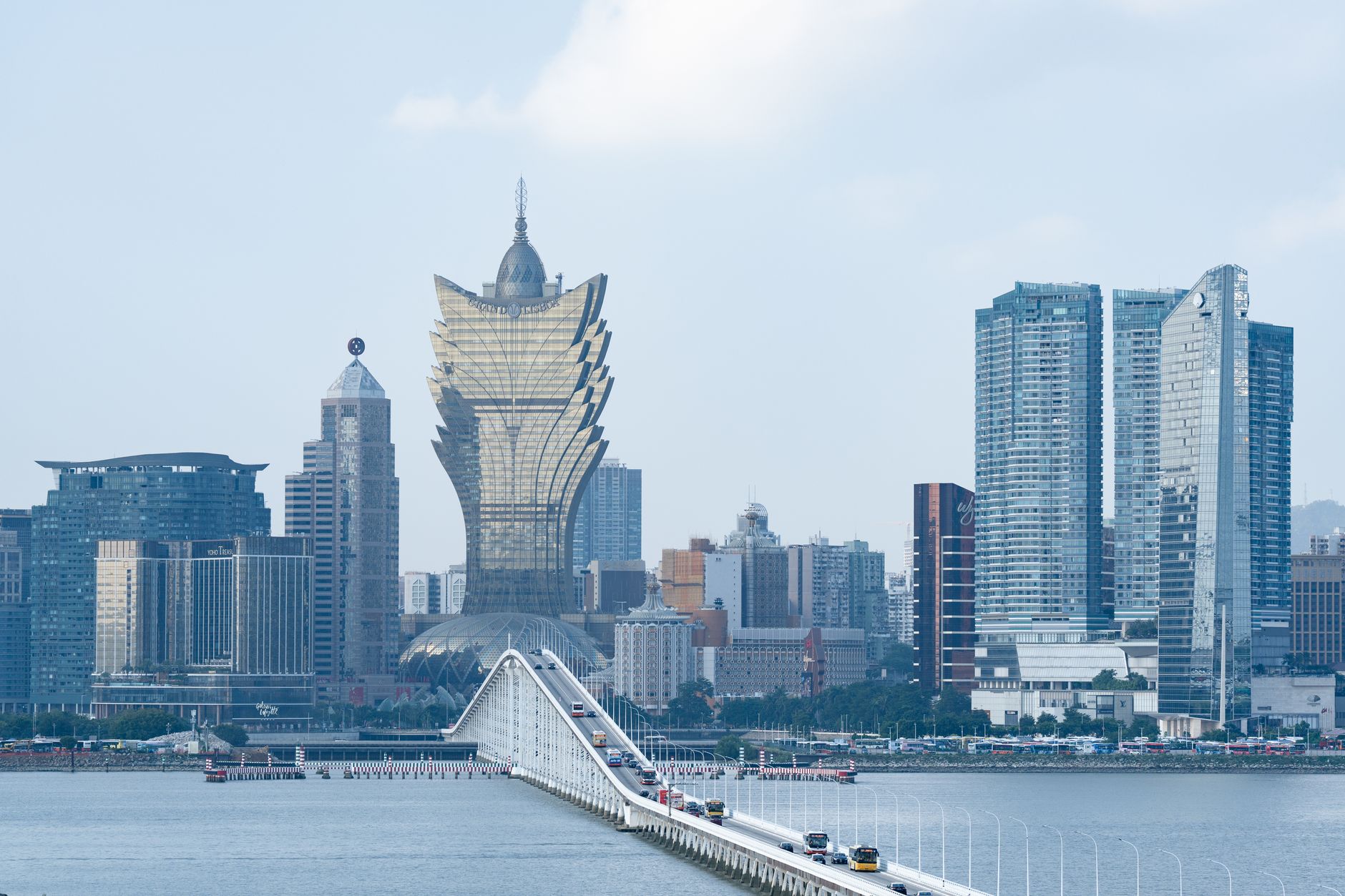
A Portuguese-Chinese port where a UNESCO old town, egg-tart bakeries and the world's biggest casino strip sit minutes apart, an hour from Hong Kong.

Introduction

Macau packs more than four centuries of Portuguese rule into 33 square kilometres: a UNESCO-listed historic centre of pastel squares and baroque churches, casino towers built on reclaimed land, and the Coloane village where the famous egg tart was born. It is a Special Administrative Region of China with its own border, its own pataca and an open internet, which makes it one of the easiest Chinese cities for a foreign traveller to simply walk around. The old town earns a full day on foot, Taipa and Cotai another, and Coloane's beaches a lazy half-day — two to three days cover it, with Hong Kong an hour away by ferry.

Travel highlights

A separate border, like Hong Kong

Macau runs its own immigration: passport holders of about 90 countries and territories enter visa-free for stays of 30–90 days (British passports: 180 days). Visa-free entry here does not admit you to mainland China, and a mainland visa does not admit you here.

The old town is UNESCO and free

The Historic Centre of Macao, inscribed in 2005, is roughly two dozen monuments and squares within a 20-minute walk — Senado Square, the Ruins of St. Paul's, A-Ma Temple, the Guia Fortress. None of them charges admission.

The free casino shuttles are a real transport network

Every big resort runs free coaches between the airport, both ferry terminals, the border gate and its own door, roughly every 15 minutes. Locals ride them too — treat them as an unofficial city bus service.

Hong Kong dollars work at 1:1

The pataca (MOP) is the official currency, but HKD is accepted at par almost everywhere, and Alipay or WeChat Pay QR codes cover most shops and all buses. Keep small bills for taxis and the tiny egg-tart bakeries that are cash-only.

Travel alerts

CHECKED ON THE GROUND

Top attractions

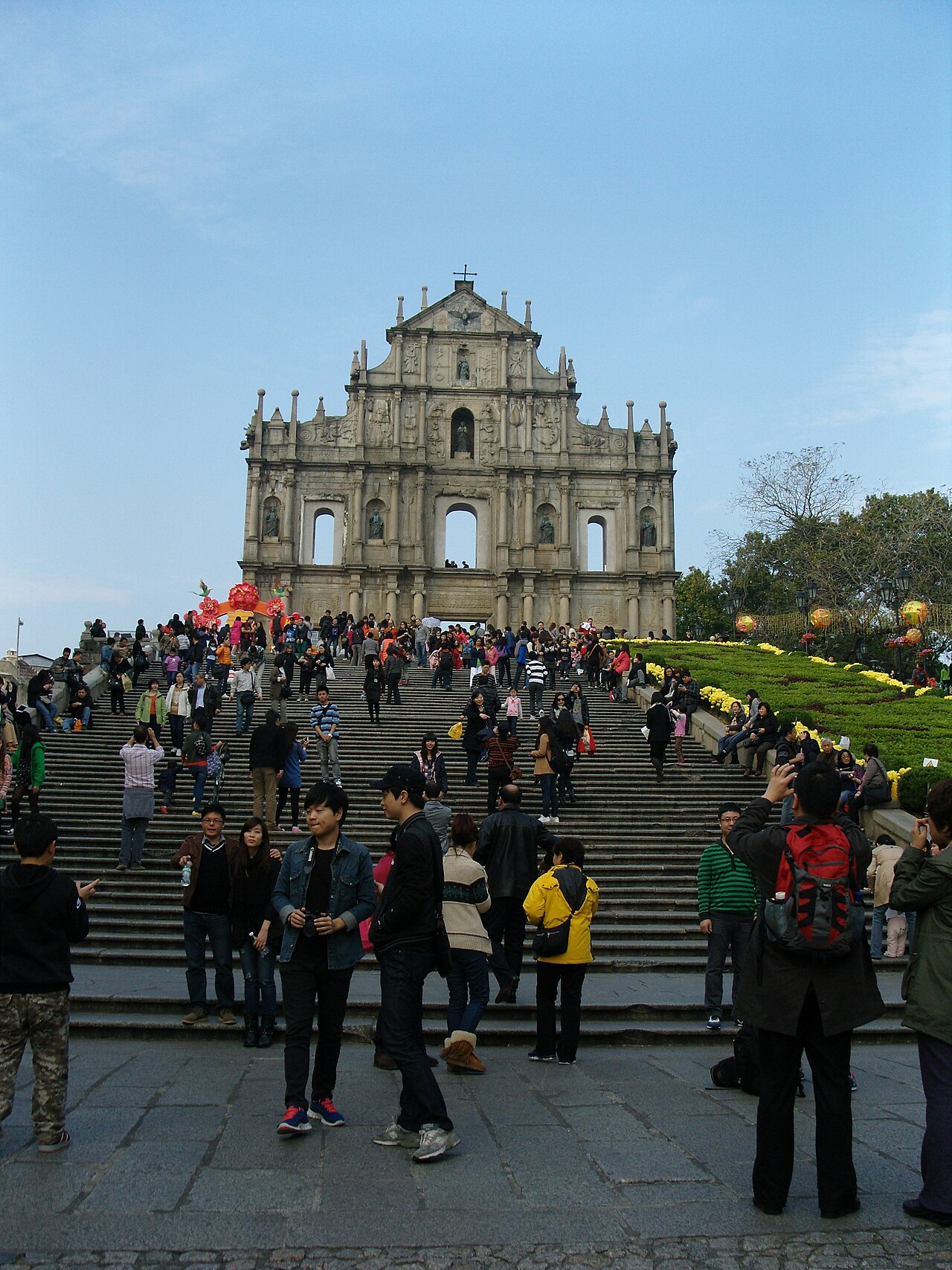
The carved stone facade of St Paul's standing alone at the top of a long flight of steps, with visitors spread across them.

Ruins of St. Paul's

The stone facade of a 17th-century Jesuit church, burned down in 1835, that has become Macau's postcard image — free, outdoors, and lit up at night. Climb the 68 steps, then keep going up behind it to the Mount Fortress (大炮台) ramparts for the best free view over the old town; allow 45 minutes to an hour.

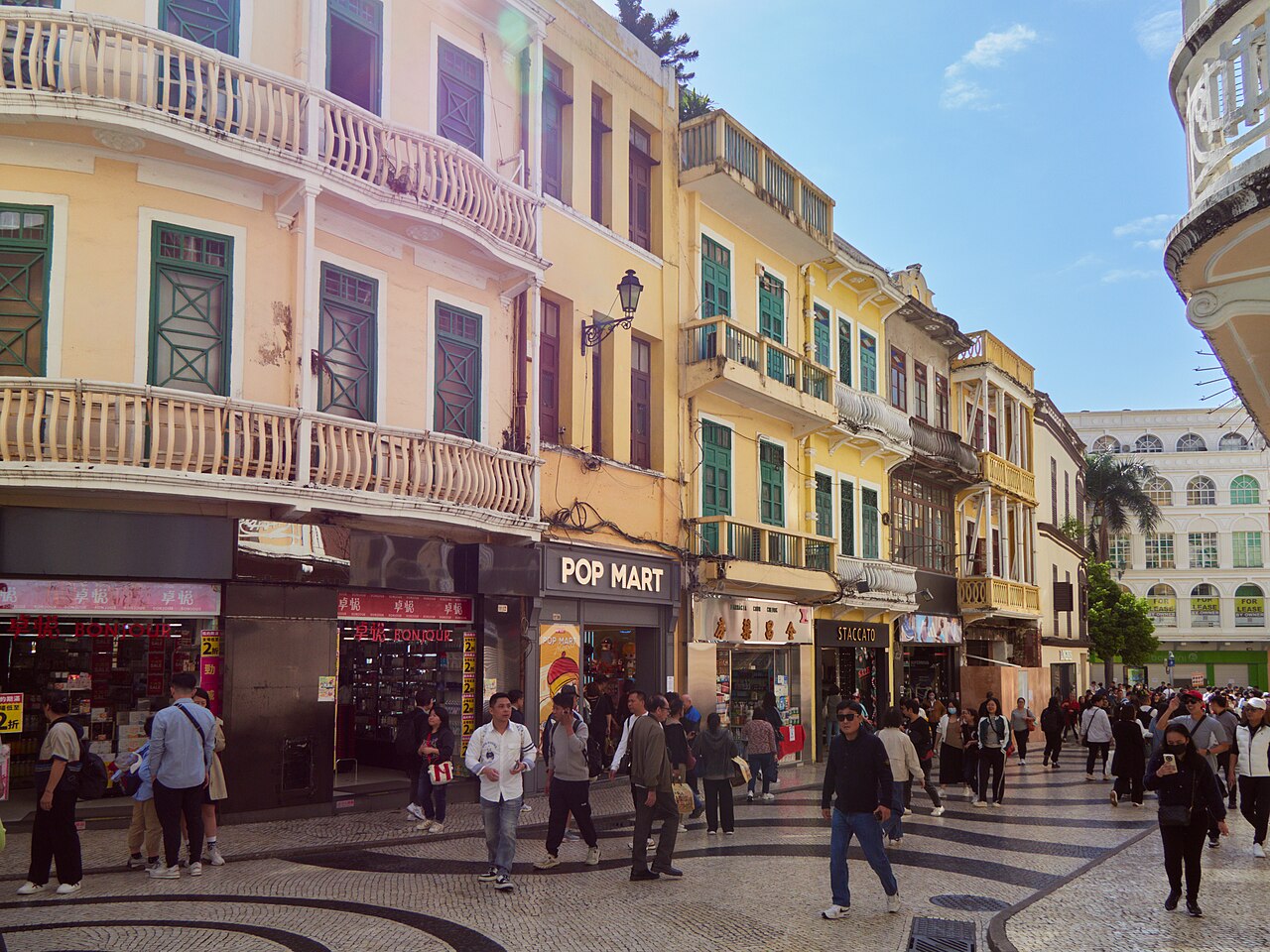
Crowds cross the black-and-white wave paving of Senado Square, past pastel shophouses with green shutters and iron balconies.

Senado Square & the Historic Centre

The wave-patterned paved square at the heart of the UNESCO Historic Centre, lined with pastel neoclassical buildings, the Leal Senado and St. Dominic's Church. It is free and open all day — walk it at dusk, then follow the alleyways north to the Ruins of St. Paul's.

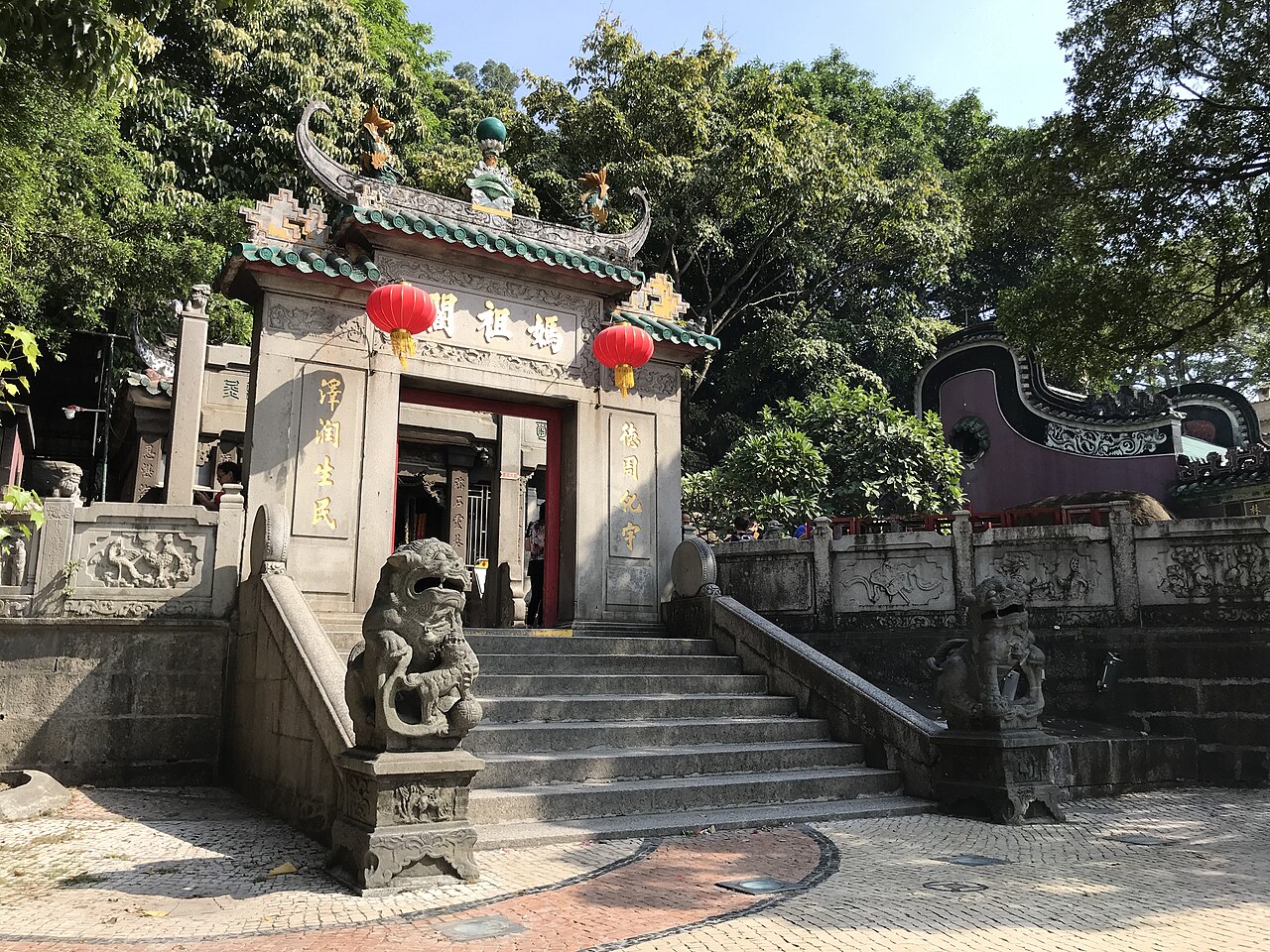
The stone gateway of A-Ma Temple under a green-tiled roof, hung with two red lanterns and flanked by carved stone lions at the top of the steps.

A-Ma Temple

The oldest temple in Macau, dedicated to the sea goddess A-Ma and already standing when the Portuguese arrived in the 1550s — the city's name is said to come from it. Free to enter; the LRT Barra station (妈阁站) now stops a short walk away.

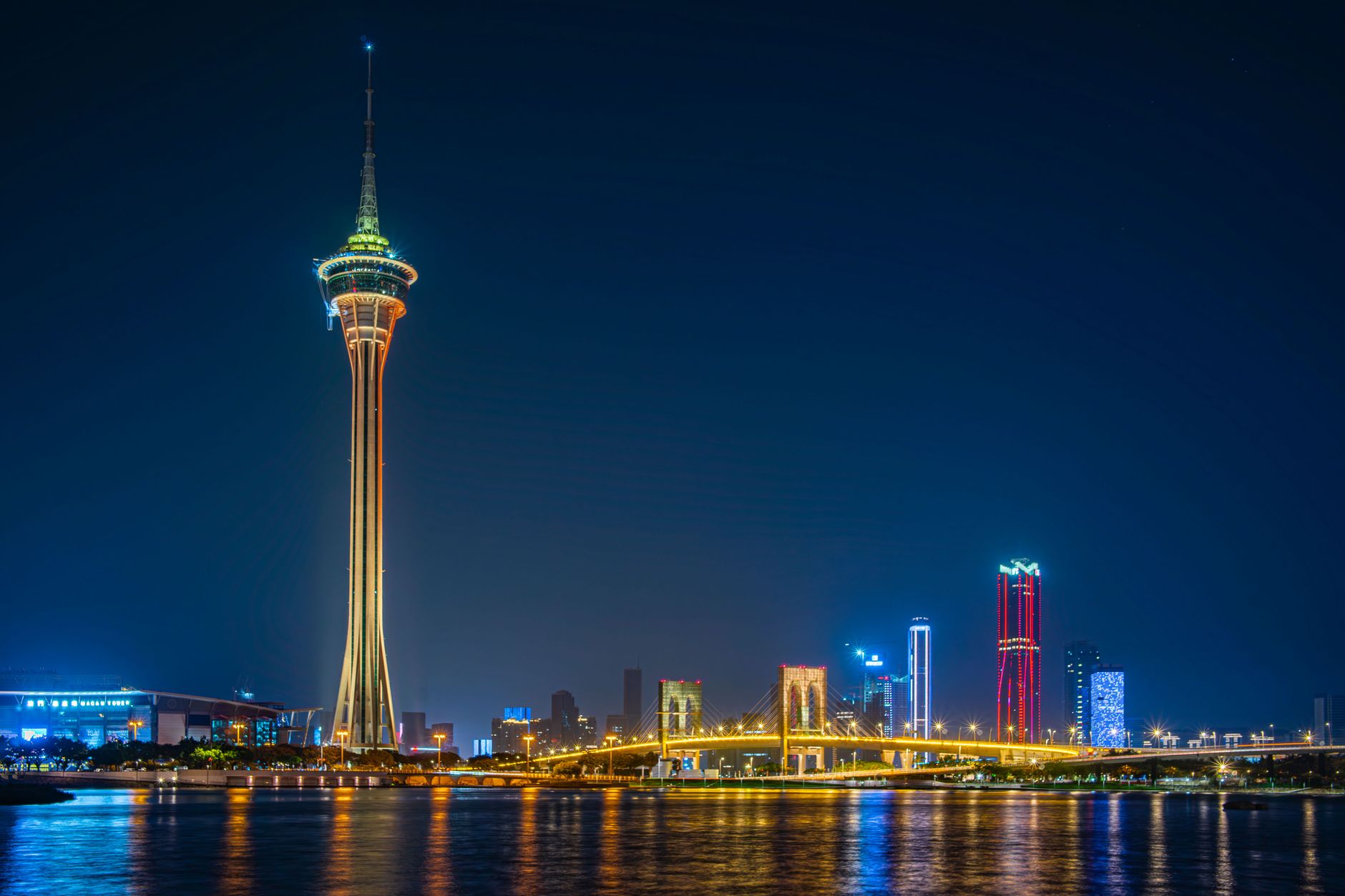
The lit Macau Tower and its observation ring above a cable-stayed bridge, with the Cotai skyline and its reflections behind.

Macau Tower

A 338-metre tower on the Sai Van waterfront whose observation deck (MOP 208, about ¥188) gives the full sweep of the old town, Cotai and the sea. Allow one to two hours; adrenaline options above the deck — Skywalk, bungy jump — cost extra. Ten minutes by taxi from the historic centre, or a short ride on the LRT to Barra station.

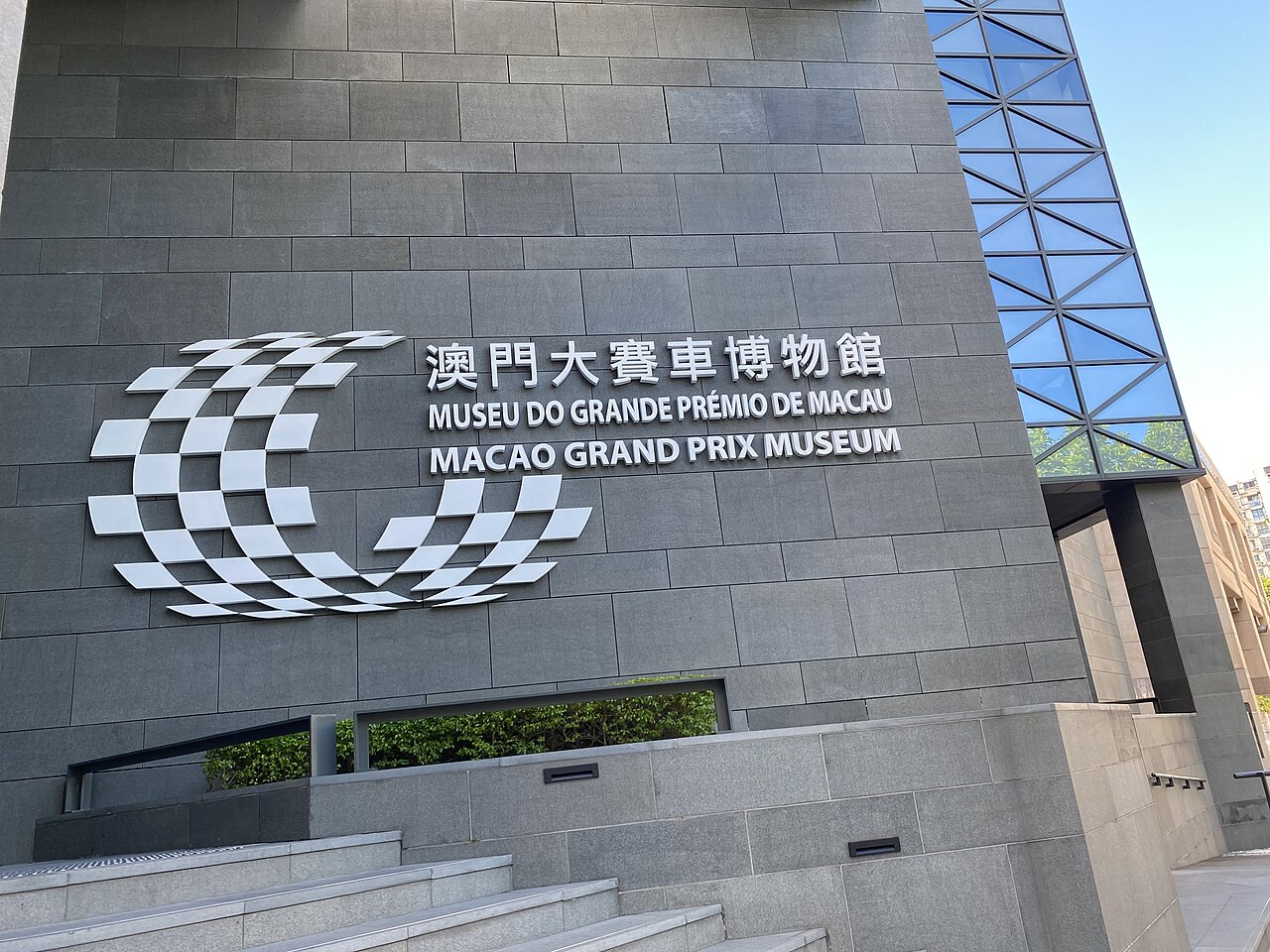
The grey stone frontage of the Macao Grand Prix Museum, with a chequered-flag emblem and the museum's name in Chinese, Portuguese and English.

Macao Grand Prix Museum

The city's motor-racing history — the Guia street circuit has run since 1954 — with cars, motorcycles and a driving simulator; adults MOP 80 (about ¥72). Allow about an hour; it sits a few minutes' walk from the Outer Harbour ferry terminal, where the Hong Kong boats land.

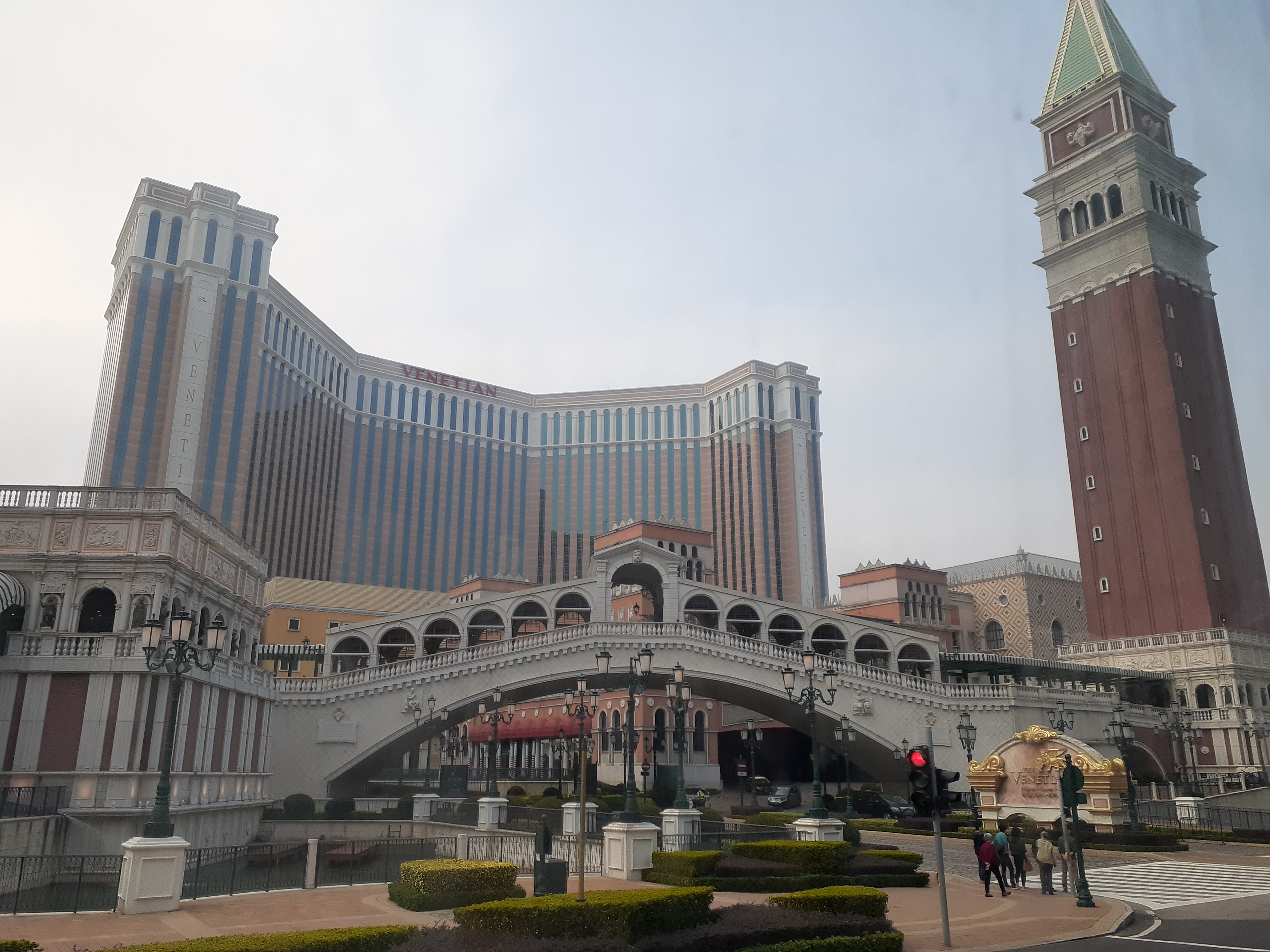
A replica Rialto bridge and brick campanile in front of the Venetian's striped hotel block, with clipped hedges and a crossing in front.

The Venetian Macao

The largest of the Cotai mega-resorts: a shopping arcade built as an indoor Venice with canals, gondolas and painted ceilings, free to wander through. The casino floor beside it is adults-only and free to enter; the gondola rides are paid.

Local cuisine

Where to stay

Every licensed Macau hotel registers foreign guests on a passport — the mainland problem of hotels that 'don't take foreigners' simply does not exist here, so any regular hotel will check you in. The real trap is timing: weekend and holiday rates run roughly double midweek, so book Sunday to Thursday if you can, and stick to hotels licensed by the Macao Government Tourism Office (all the big names are) rather than unlicensed walk-up rooms sold as guesthouses online.

Getting around

Getting here

  • Macau International Airport (MFM)

    Direct flights from Beijing (about 3.5 hr), Shanghai (about 2.5 hr), Taipei, Seoul, Tokyo, Singapore, Bangkok and many more. The airport is on Taipa island, 15–20 minutes by taxi from the peninsula.

  • Ferry from Hong Kong

    TurboJET (喷射飞航) from Sheung Wan to the Outer Harbour in about an hour, standard one-way from about HK$176 (≈¥160) after the April 2026 fare rise; Cotai Water Jet links Hong Kong with Taipa. Services run from early morning to near midnight.

  • Hong Kong–Zhuhai–Macau Bridge bus

    The 'golden bus' (金巴) from Hong Kong Port to the Macau border post: about MOP 65 (≈¥60) by day, MOP 70 by night, roughly 40 minutes across the bridge plus two border checks, running 24 hours. Local buses and free casino shuttles continue from the border.

There is no railway inside Macau — 12306 (which works with a passport) takes you to Zhuhai station (珠海), and from there you walk across the Gongbei border crossing (拱北口岸). Remember that Macau is a separate border in both directions: visa-free entry here does not get you into mainland China, and the mainland's 240-hour visa-free transit does not cover Macau, so count your days on both sides.

Local transport

  • 🚌

    Bus

    MOP 6 flat on every route, day or night; pay exact cash, tap a Macau Pass card, or scan the Alipay/WeChat Pay QR at the door. Buses reach every corner of the peninsula, Taipa, Cotai and Coloane.

  • 🚇

    Light Rail (LRT)

    The elevated line links the airport, Taipa ferry terminal and the Cotai resorts, and since December 2024 crosses to the peninsula at Barra, by A-Ma Temple. Fares from MOP 6 by distance; trains run roughly 06:30–23:30.

  • 🚕

    Taxi

    Black cars with cream roofs, metered from a MOP 21 flagfall (since February 2024). Ranks are easy to find at the ferry terminals, airport, casinos and the border; drivers prefer cash in MOP or HKD.

  • 🚌

    Free casino shuttles

    Every major resort runs free coaches from the airport, ferry terminals and the Gongbei border to its own door, every 10–20 minutes, for anyone — you do not need to gamble or stay there. They are the fastest way between the transport hubs and Cotai.

No transit card needed: buses take MOP 6 exact cash or an Alipay/WeChat Pay QR, the LRT sells single tickets at station machines, and taxis take cash — so the only thing to carry is small bills in MOP or HKD, which are interchangeable everywhere at 1:1.

What's on

Recommended routes

All routes →