Wuhan is eaten at dawn and crossed by boat. Breakfast here has its own verb — guozao, 过早 — and it is not a metaphor: the counters selling hot dry noodles and doupi are busiest before eight and winding down by mid-morning, so the day starts earlier than you might like. The rest arranges itself around the river. Day one stays on the Wuchang bank and crosses to Hankou on the commuter ferry; day two is the Chu bronzes in the morning and the lake in the afternoon. Late March adds cherry blossom and a great deal of company; July and August regularly top 38°C, which is the other reason locals eat at either end of the day.
At a glance
- Day 1Hubu Alley → Yellow Crane Tower → ferry to Hankou
- Day 2Hubei Provincial Museum → East Lake greenway
Day 1
Breakfast, the tower, and the crossing
Hubu Alley → Yellow Crane Tower → ferry to Hankou
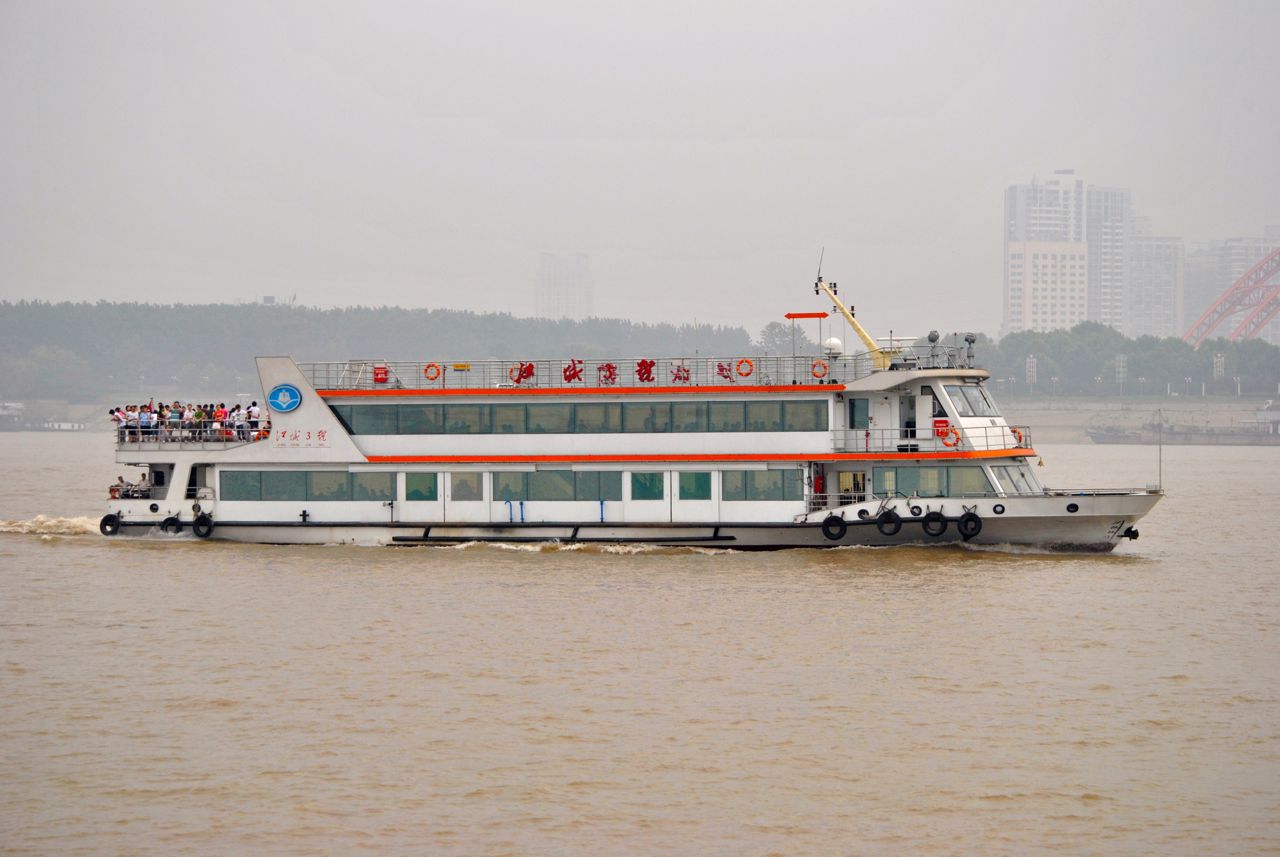
Start at Hubu Alley, a 150-metre lane near the bridge that compresses the whole guozao ritual into one street: hot dry noodles at ¥10-15, doupi around ¥10, mianwo and duck neck alongside. Prices run above the neighbourhood counters and it is the easiest place to try five things at once. Then walk up Snake Hill to the Yellow Crane Tower — ¥70, open 08:30-18:00 with last entry around 17:20, metro Line 5 to Simenkou if you would rather not walk up. Come down to Zhonghua Road pier in the late afternoon and take the ferry across to Wuhan Guan: ¥1.5, every twenty minutes, and the cheapest river cruise in China with the tower and the bridge going past. Hankou on the far bank is the concession-era half of the city, and the walk along the old bund is the evening.
 Day 2
Day 2
Chu bronzes and the lake
Hubei Provincial Museum → East Lake greenway
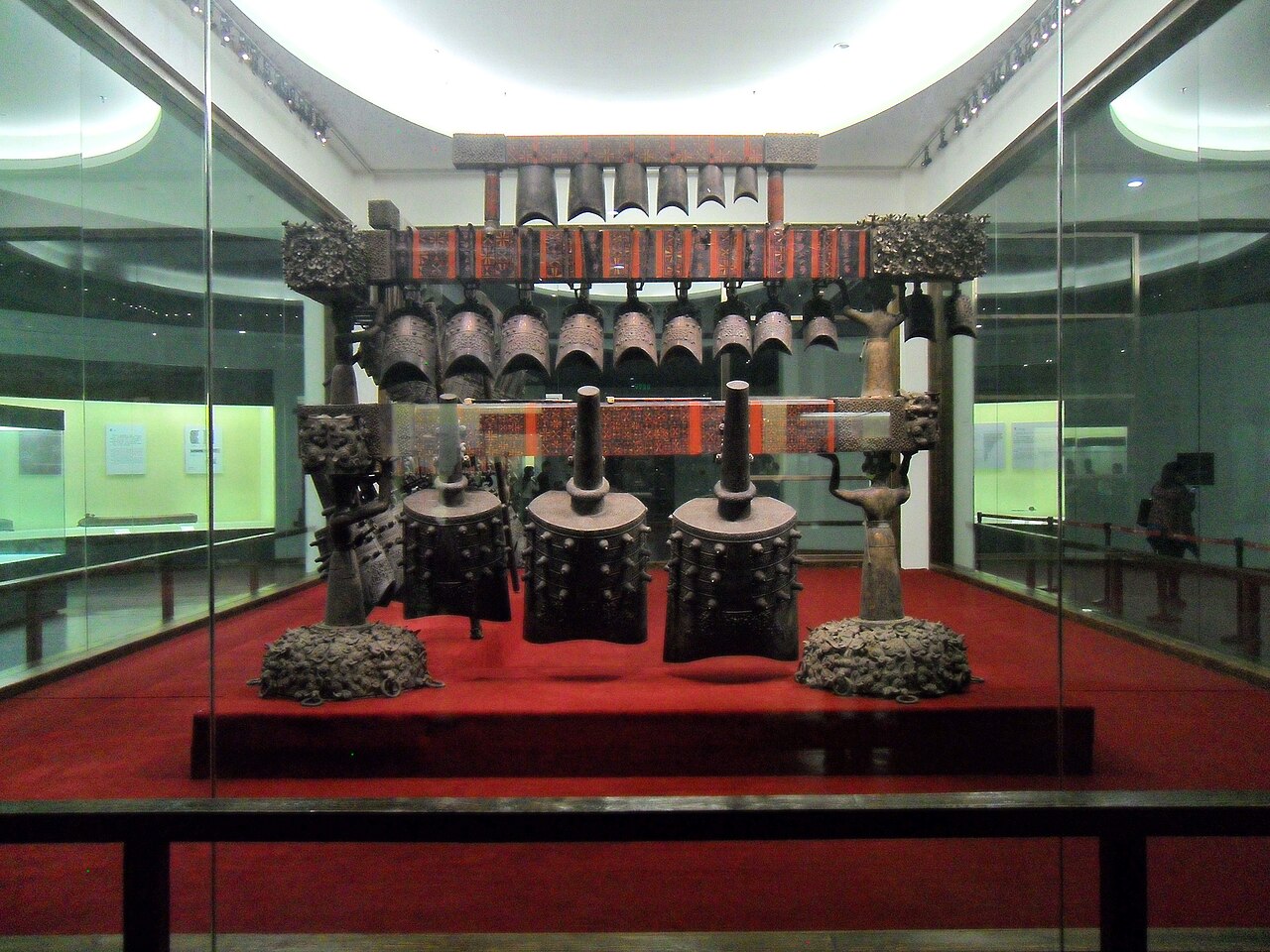
The Hubei Provincial Museum is free and the reason to book ahead: slots release at 17:18 up to five days out, and it closes on Mondays outside public holidays. What it holds is the Marquis Yi of Zeng burial — a full set of sixty-five bronze chime bells cast in the fifth century BC, still tuned and still playable, unlike anything else you will see in China. Give it a morning. East Lake is next door, six times the size of the West Lake in Hangzhou, free to enter, with a greenway built for cycling and shared bikes at every gate. In late March the Moshan Cherry Blossom Garden inside charges ¥60 and is worth it; the rest of the year the lake is simply the best afternoon in the city.
Eat like you mean it
- Hot dry noodles 热干面Alkaline noodles tossed dry with sesame paste, soy and pickled radish. No soup, eaten fast, ¥5-8 at a neighbourhood counter.
- Sanxian doupi 三鲜豆皮Egg and bean skin wrapped around sticky rice with pork, mushroom and bamboo, fried and cut into squares. ¥7-12.
- Hutangfen 糊汤粉Rice noodles in a thick peppery river-fish soup, dipped with a youtiao stick. ¥8-12, and a breakfast dish.
- Mianwo 面窝A savoury fried ring of rice-and-soy batter, crisp at the edge and soft in the middle. ¥2-3, bought while the noodles are made.
- Wuchang fish 武昌鱼Steamed bream from the local lakes — a dinner order rather than a snack, around ¥50.
- Duck neck 鸭脖Braised in numbing-spicy stock and sold by weight. Both of the national chains started here.
Where to stay
- Jianghan Road · Hankou riversideFirst-timers who want the old bund, the pedestrian street and the ferry pier at the end of it. ¥250-600 a night.
- Simenkou · Tanhualin, WuchangWalkable to the tower, Hubu Alley and the crossing, with a quieter arts lane behind. ¥150-450 a night.
- Chu River Han Street · East LakeBetween the museum and the lake, which is the base to want in blossom season. ¥300-700 a night.
Before you go
- Book the Hubei Provincial Museum before you fly. The slots are free but capped, released at 17:18 up to five days ahead, and the weekend ones go the same evening.
- It closes on Mondays except public holidays. Building a day around it on a Monday is the classic wasted morning here.
- Guozao is a morning thing and the good counters wind down by mid-morning. If you want the breakfast, it decides when you get up.
- Take the ferry rather than the bridge at least once: ¥1.5 between Zhonghua Road and Wuhan Guan, every twenty minutes from 06:30 to 20:00, with night sailings at ¥10 until 23:30.
- In late March the Wuhan University blossom slots are real-name and capped — the campus is free but not open-door. Moshan inside East Lake charges ¥60 and needs no scramble.
- July and August regularly top 38°C with heavy humidity. Put the outdoor half of the day before nine or after six.
- With a third day: Gude Temple (¥13) is a Chinese Buddhist temple built in a Burmese-Indian-Gothic hybrid, and Guiyuan (¥10) holds five hundred life-sized arhats.
One honest thing — Two things have to be booked before you arrive: the Hubei Provincial Museum releases its free timed slots at 17:18 up to five days ahead and weekend slots go fast, and in late March the Wuhan University blossom slots are capped and real-name. Both are free. Neither can be fixed on the day.