Zhengzhou CITY BOARD

Zhengzhou 郑州

The crossroads of Chinese civilization: Shaolin kung fu an hour south, 5,000 years in one free museum, and the wheat-field theater city everyone talks about.

Introduction

Zhengzhou gets called a railway city with nothing to see — usually by people who changed trains and never left the station. The truth is that this junction of China's high-speed network sits on the oldest layer of Chinese civilization: a 3,600-year-old Shang-dynasty city wall still standing in the downtown streets, a provincial museum whose nine national treasures cover five millennia, and, an hour south at Mount Song, the Shaolin Temple where Chan Buddhism and kung fu were born. The city's new side is just as loud: 只有河南, a theater complex the size of a village that sells out weekends retelling Henan's 3,000 years inside rammed-earth walls. Add the most serious noodle-and-soup breakfast culture in the north (烩面 and 胡辣汤 are rival religions here), and Zhengzhou is the stop that turns a train change into a trip.

Travel highlights

Shaolin is a day trip, not a detour

The temple where Chan Buddhism and kung fu began is 90 minutes south in Dengfeng (¥80, buses from the central station every 40 minutes). Go early for the morning kung fu show, walk the Pagoda Forest, and save your legs for the Sanhuangzhai cliff walk if the weather is clear.

One free museum covers 5,000 years

The Henan Museum is one of China's best: nine designated national treasures, from the 8,000-year-old Jiahu bone flute to Wu Zetian's gold edict. Free but reservation-only (book in the official account days ahead) — and closed Mondays, like almost everything here.

只有河南 is the new reason to come

A theater city the size of a village in the wheat fields of Zhongmu: 21 stages, three headline plays, rammed-earth walls that turn into projection screens after dark. The ¥290 day ticket sells out on weekends — book ahead and give it a full day of its own.

Breakfast is a contact sport

Zhengzhou runs on two soups: 胡辣汤, the peppery breakfast broth that locals drink daily (方中山 is the famous name), and 烩面, wide hand-pulled noodles in rich lamb broth (合记 and 萧记 are the century-old houses). Order both and pick a side.

Travel alerts

Top attractions

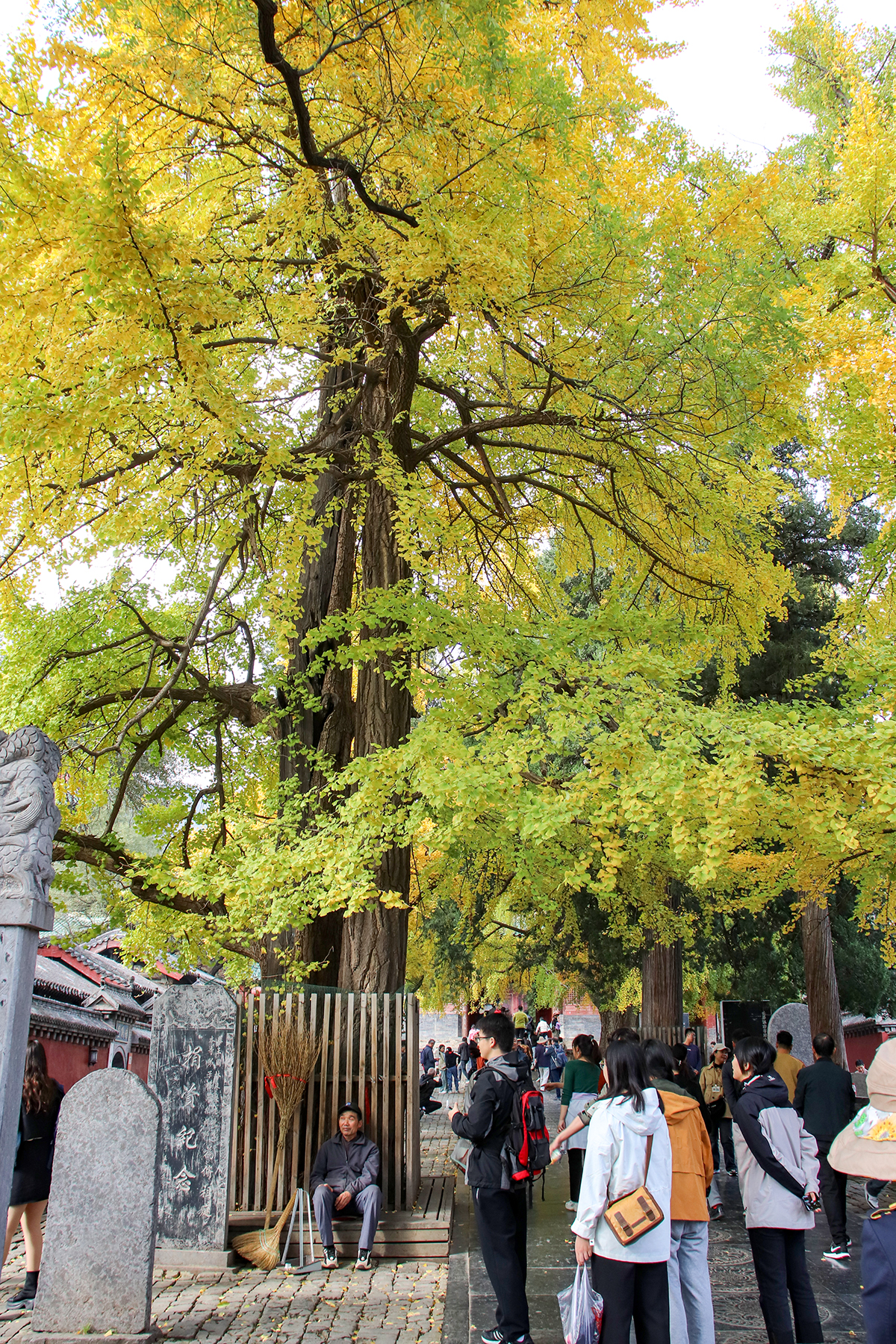
Visitors gathered under the ancient ginkgo tree in the Shaolin Temple courtyard, its trunk held by wooden supports.

Shaolin Temple

The birthplace of Chan Buddhism and of kung fu — and genuinely worth the hype if you go early. The ¥80 ticket covers the temple halls, the Pagoda Forest and the kung fu shows that run several times a day; the cableway to the Sanhuangzhai cliff path (¥70–120) is the upgrade for clear days. 90 minutes from Zhengzhou by bus (every 40 minutes, ¥28) or intercity train to Dengfeng; allow a full day.

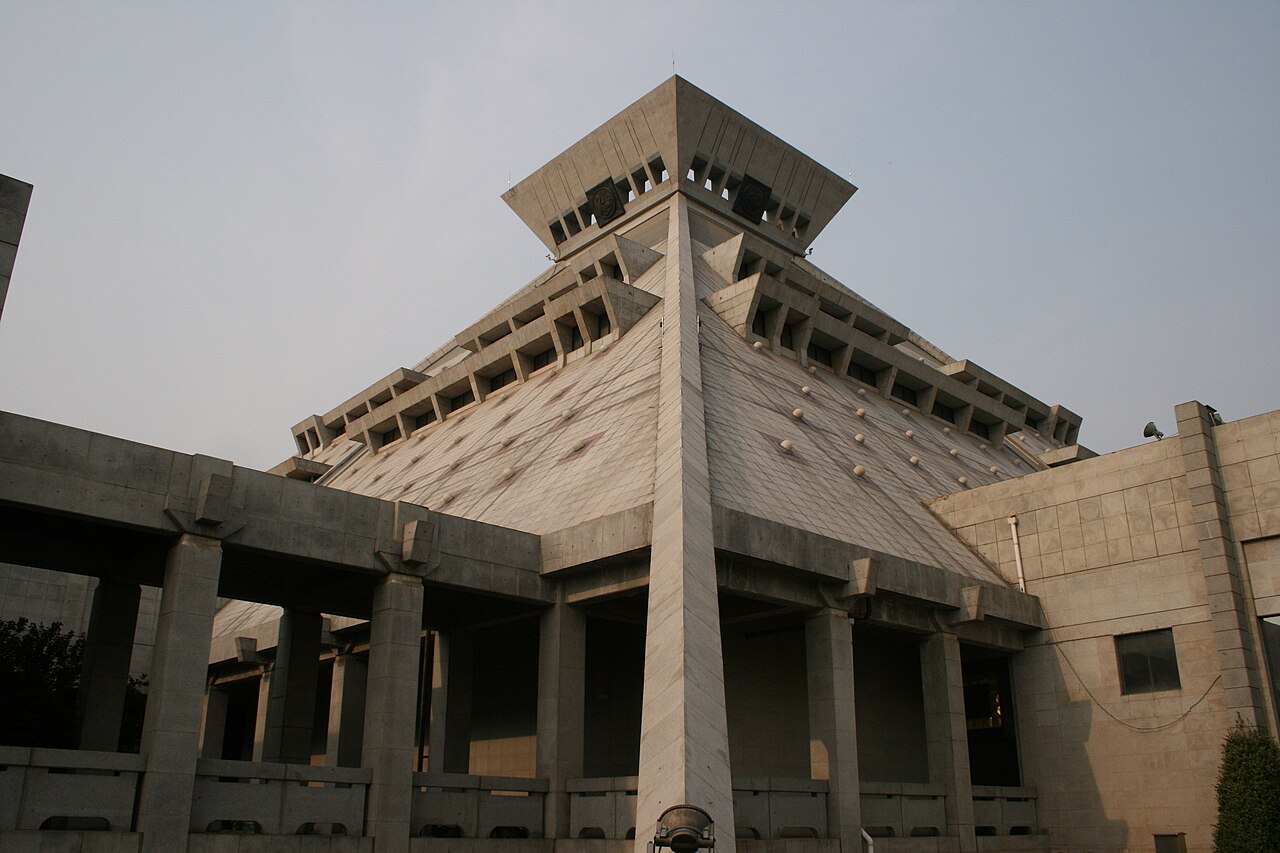
The distinctive pyramidal main hall of Henan Museum against a pale sky.

Henan Museum

One of China's heavyweight provincial museums, free with an online reservation — book in the official WeChat account, popular slots go days out. The nine national treasures anchor it: the Jiahu bone flute, the Fu Hao owl zun, the lotus-and-crane square hu, Wu Zetian's gold edict. Three hours minimum; metro Line 2 to Guanhutun, then a 15-minute walk. Closed Mondays.

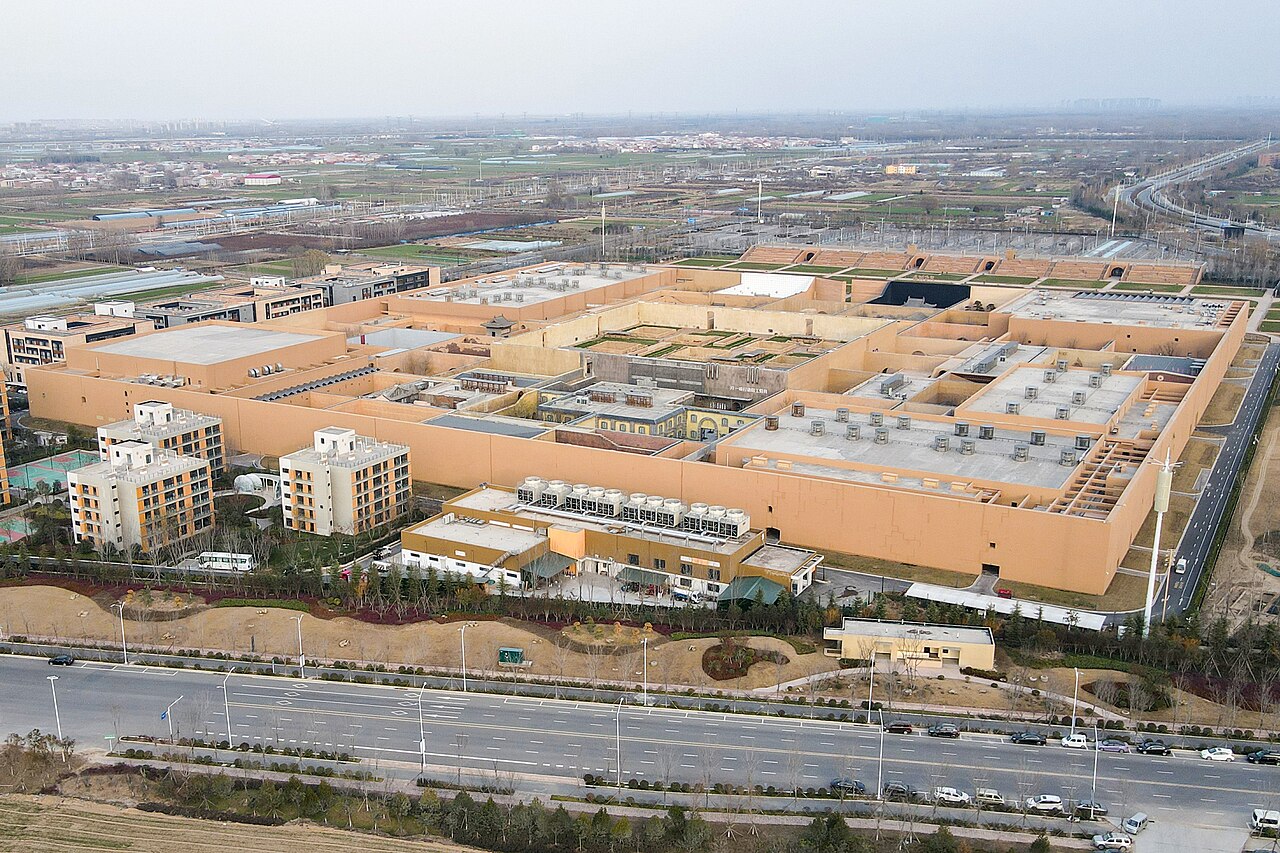
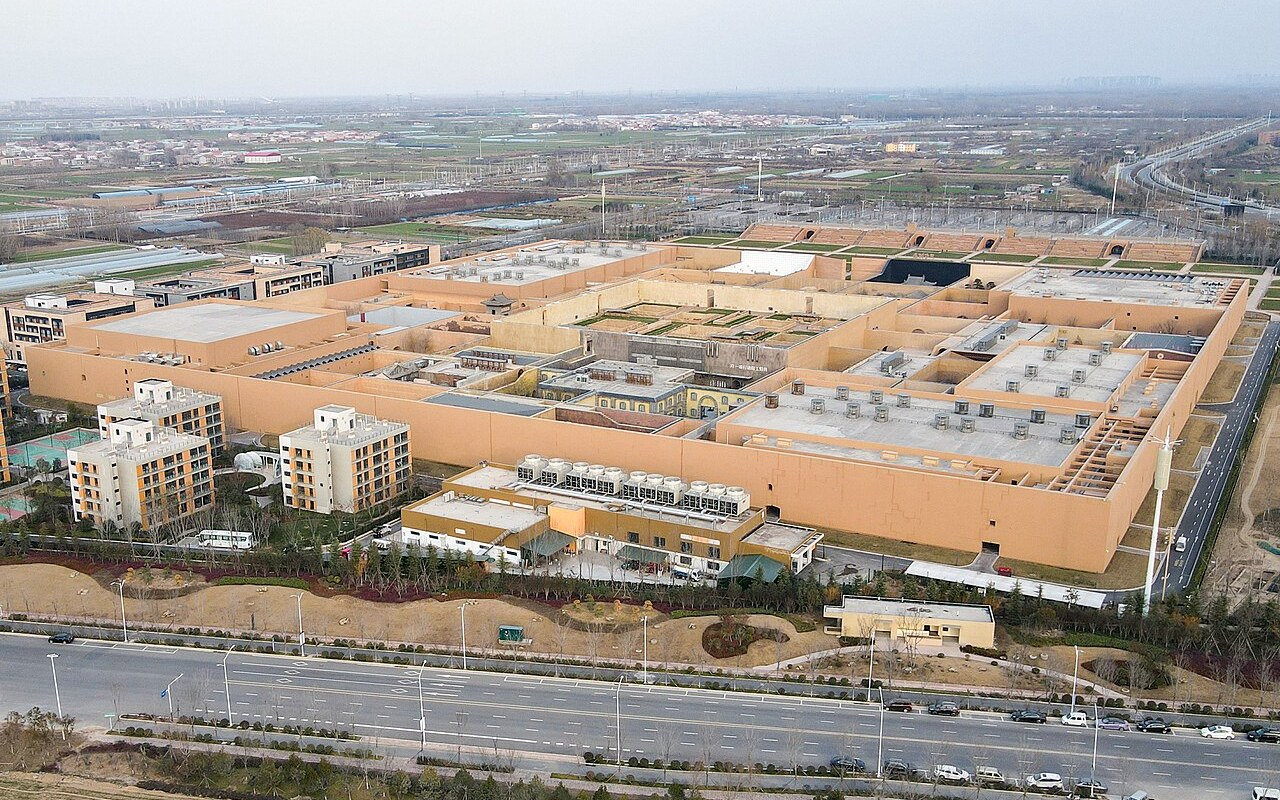
Aerial view of the vast walled courtyards of the Unique Henan theater complex beside its wheat field.

Unique Henan (戏剧幻城)

The sleeper hit of Chinese tourism: a walled city of 21 theaters in the wheat fields of Zhongmu, staging Henan's 3,000 years across a full day. The ¥290 day ticket includes one headline show (李家村, 火车站 or 幻城 — pick 李家村 if undecided); after dark the rammed-earth walls become a projection show. Metro Line 8 to Lumiao plus the shuttle, or 40 minutes by car. Book ahead for weekends.

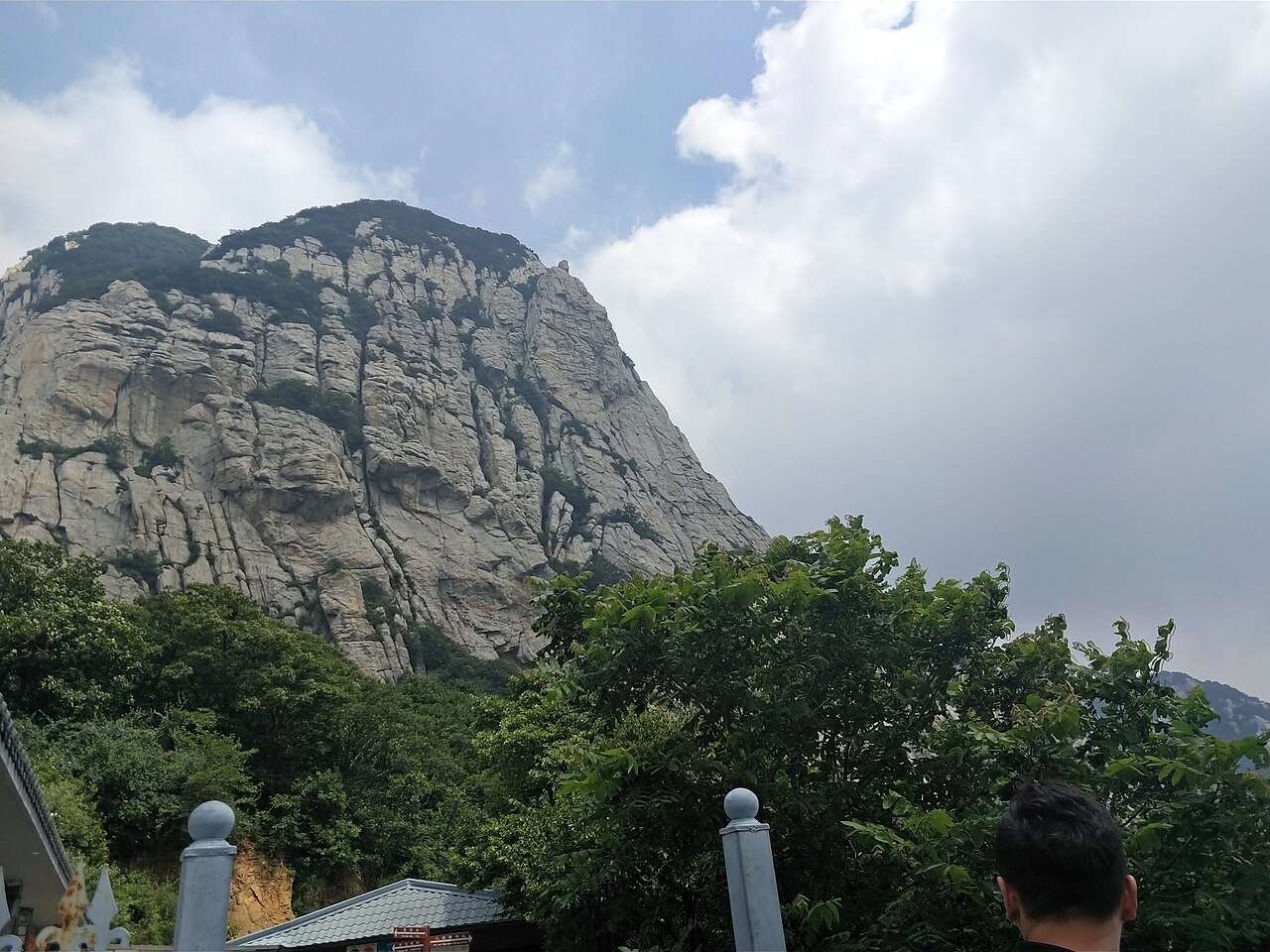
The bare granite dome of Mount Song rising over the tree line under drifting clouds.

Mount Song

The central of China's five sacred mountains rises behind Shaolin. Two ways up: the Shaolin-side cableway to the dramatic Sanhuangzhai cliff galleries, or the Taishi side for the classic summit hike past the Songyang Academy (one of China's four great academies) and the country's oldest brick pagoda. The Shaolin ¥80 ticket covers its side; Taishi sites ticket separately (¥30–80). Pair it with the temple day if your legs agree.

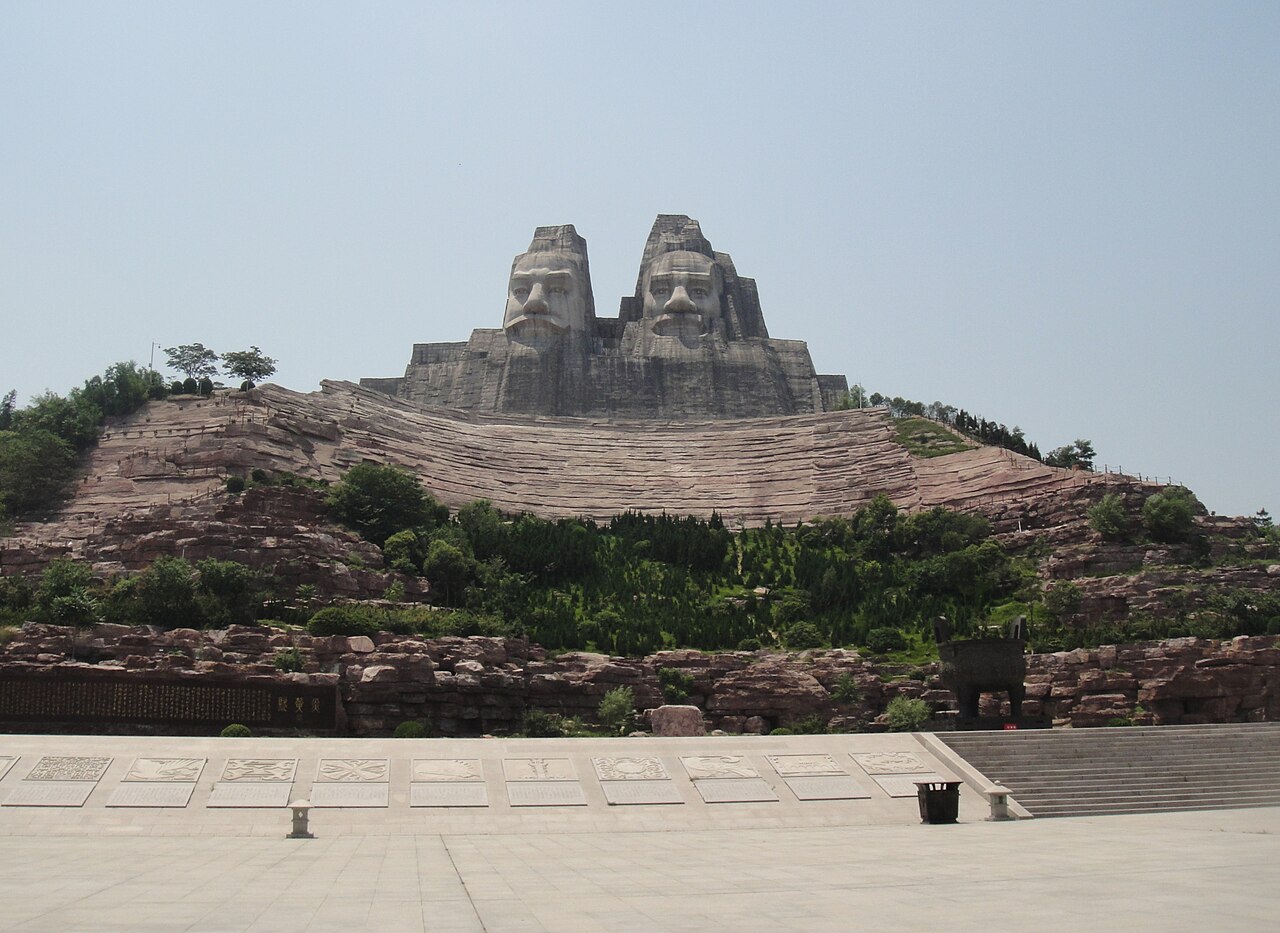
The colossal twin-headed statue of the Yan and Huang emperors carved into the riverside mountain.

Yellow River Cultural Park

Where Zhengzhou meets the river: a bluff above the Yellow River crowned by the colossal twin heads of the Yan and Huang emperors — at 106 m, one of the tallest statues on earth. The park (¥48) mixes river lookouts, cable cars and mythology kitsch; come for the statue and the wide brown river itself, an hour northwest of downtown.

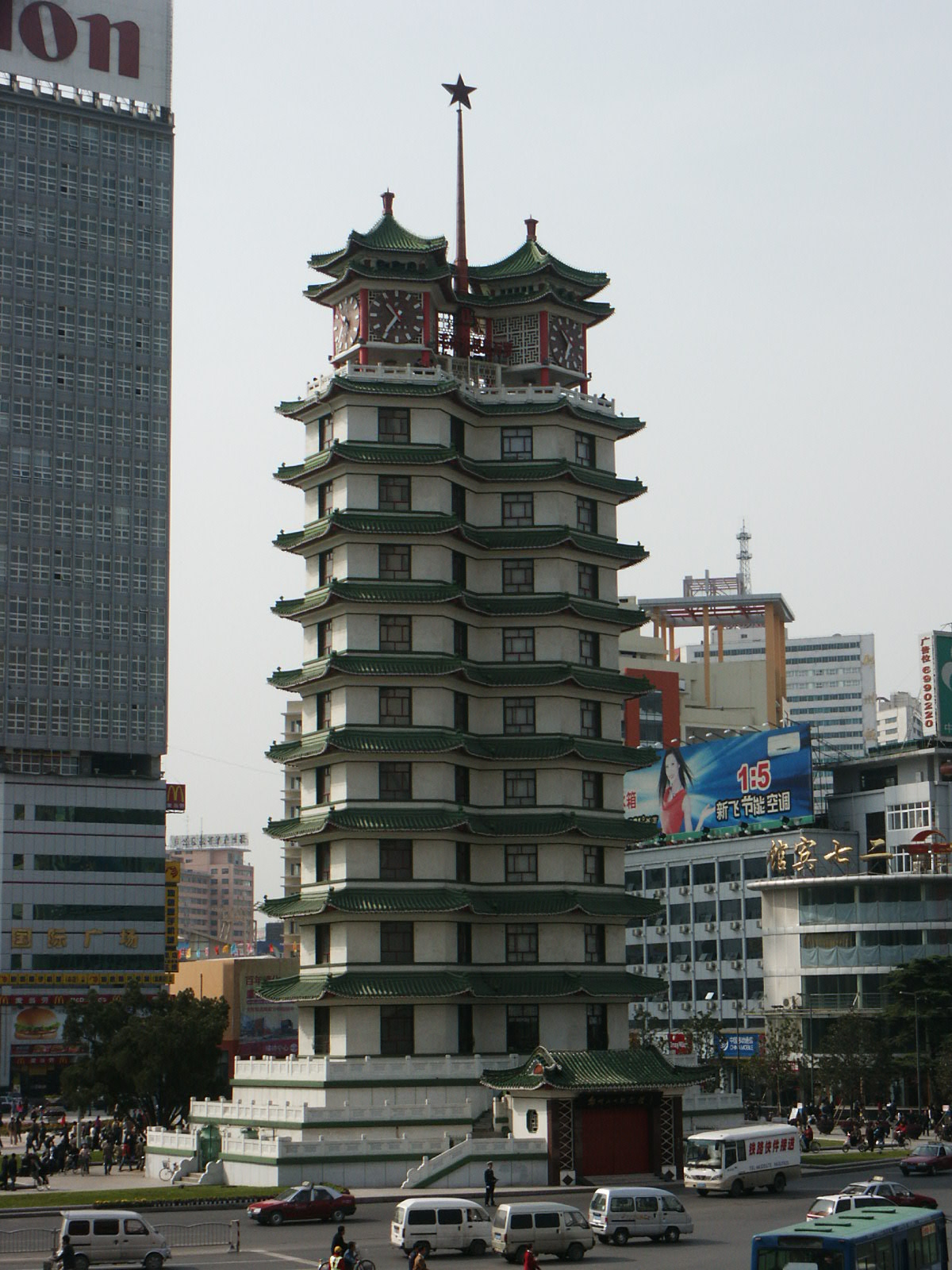
The twin pagoda towers of Erqi Memorial Tower rising over the city square.

Erqi Memorial Tower

Zhengzhou's twin-pagoda icon, built for the 1923 railway workers' strike — free to visit, ¥10 to climb for the old-town panorama. The square below is the city's commercial heart, and on Friday and Saturday evenings the tower lights up at 20:00. The natural end to a day that started at the museum, with the 德化街 food streets around it.

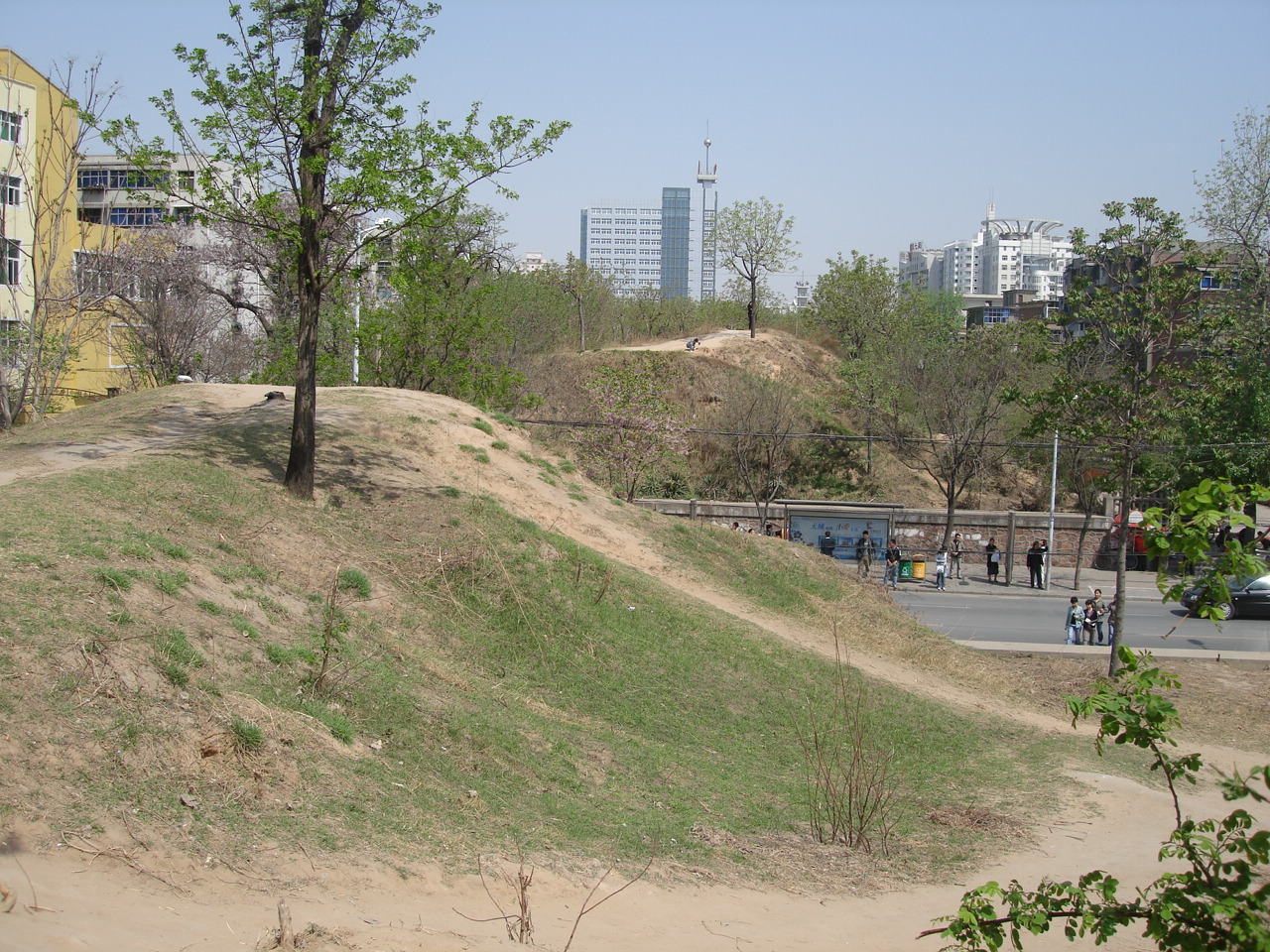
The grass-covered rammed-earth Shang dynasty city wall rising beside a modern street.

Shang City Ruins

The reason Zhengzhou can claim 3,600 years: a rammed-earth city wall from the Shang dynasty still running through the modern blocks, free to walk along in the 商城遗址公园. Pair it with the nearby Shangdu Site Museum (free), which lays out the bronzes and the argument that this was one of China's earliest capitals. An easy hour in the city centre that almost no visitor sees.

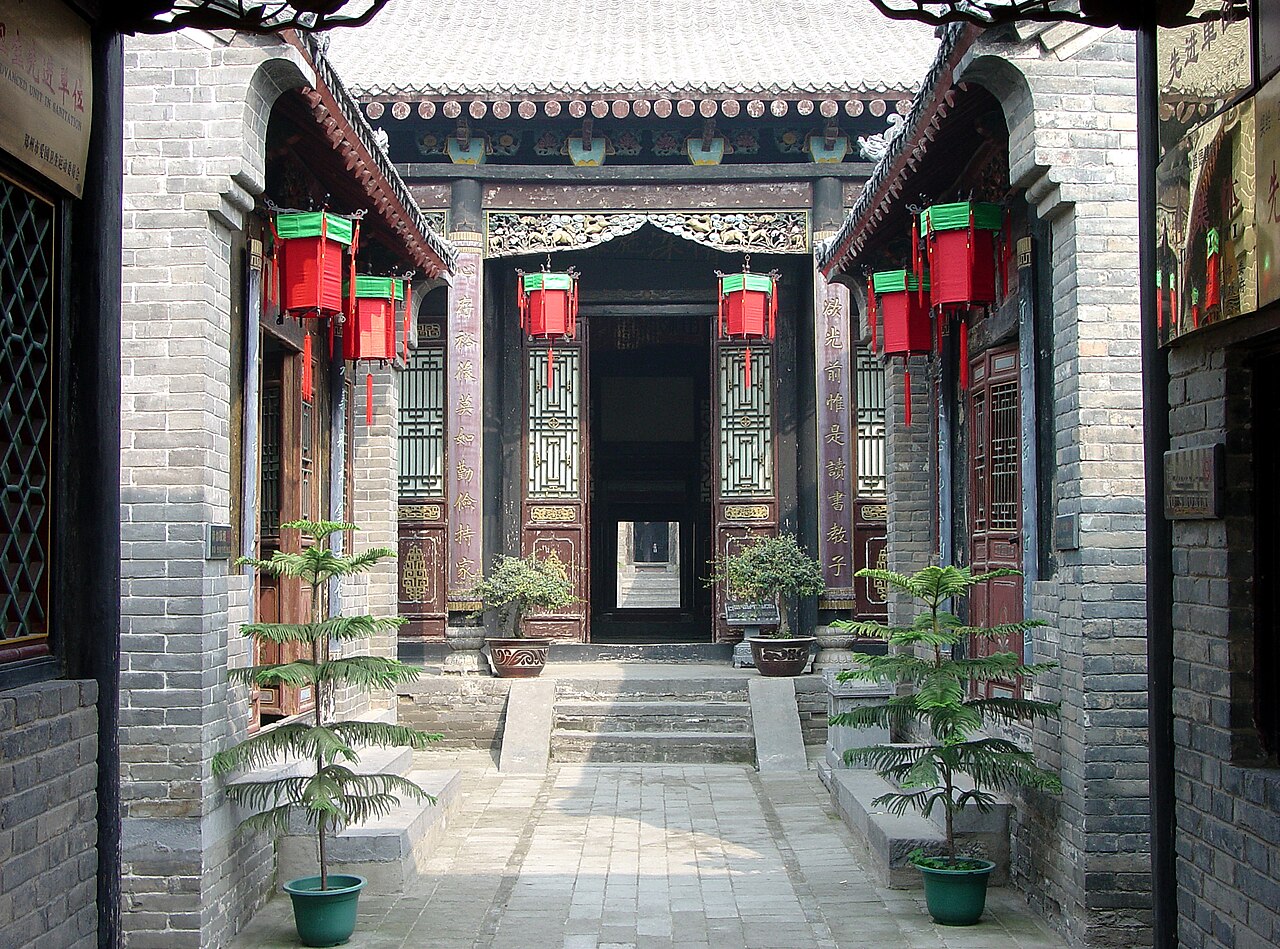
A grey-brick courtyard gate hung with red lanterns inside the Kangbaiwan manor.

Kangbaiwan Manor

The 400-year fortress-home of the Kang family, merchant princes who stayed rich for twelve generations — grey-brick courtyards climbing a hillside above the Luo River in Gongyi (¥50). It is what Shanxi's famous compounds look like without the crowds. An hour from Zhengzhou by train or bus to Gongyi; combine with a slow morning and be back for lunch.

Local cuisine

Where to stay

The city is wide, so pick by your first morning: museum side (Jinshui) if culture leads, East Station if you are training onward early, Erqi if food leads. Chain hotels handle foreign passports routinely. One warning: 'near the airport' hotels sit 40 km from everything — only book them for a very early flight.

Getting around

Getting here

  • High-speed rail to Zhengzhou East

    The 米-shaped hub where China's north–south and east–west lines cross: about 2.5–3.5 hours from Beijing, about 2 hours from Wuhan, and direct trains from Xi'an, Jinan, Xuzhou and beyond. 12306 accepts foreign passports.

  • Zhengzhou Xinzheng Airport (CGO)

    The central-China air hub with metro Line 2 (Chengjiao section) running into the city. CGO is a designated 240-hour visa-free transit port.

  • To Dengfeng (Shaolin)

    Buses from the central coach station to Dengfeng every 40 minutes (about ¥28, 90 minutes), or an intercity train plus local transfer. Day tours and Didi both work; the bus is the classic local way.

Zhengzhou East (郑州东) is the high-speed station; Zhengzhou (郑州站) is the old central one — both useful, 10 metro stops apart. For Shaolin, leave before 08:00: the temple crowds build from 10:00 and the return buses thin out by late afternoon.

Local transport

  • 🚇

    Metro

    Lines 1, 2 and 5 cover the centre — museum, Erqi, East Station — and Line 8 runs east toward the Zhongmu theater zone (transfer to the free shuttle for 只有河南). Single rides from ¥2; Alipay and WeChat Pay QR accepted.

  • 🚕

    Taxi & DiDi

    Cheap and everywhere — the flag-fall is about ¥8 and most central rides stay under ¥25. For Dengfeng, Zhongmu and the Yellow River park, DiDi beats the bus timetable.

  • 🚌

    Coach

    The central coach station by the railway runs the regional network: Dengfeng every 40 minutes, Gongyi (Kangbaiwan) and Luoyang on similar rhythms. Buy at the window with your passport.

Two habits make Zhengzhou easy: book museum and 只有河南 slots before you travel (both are free-ish but capped), and do the far sights by departure time, not distance — Shaolin wants a morning bus, the Yellow River park wants sunset light, and Zhongmu wants you there before the last shuttle.

What's on

Recommended routes

All routes →

FAQs

Is Zhengzhou worth stopping for, or just a hub?

Stopping for. Shaolin alone justifies a day; the museum and the theater city justify two. It is the most underestimated city on the high-speed network precisely because everyone only ever sees the station.

How do I get to Shaolin Temple?

Coach from the central station to Dengfeng every 40 minutes (about ¥28, 90 minutes), then a short local hop — or a Didi for two to four people. Go before 08:00 for the morning kung fu show and thinner crowds; the ¥80 ticket covers temple, Pagoda Forest and shows.

Is 只有河南 worth ¥290?

If immersive theater interests you at all, yes — it is unlike anything else in China, and the day ticket includes one of the three headline plays (pick 李家村 first-timer). Give it a full day; half-days leave frustrated.

Two days or three?

Two full days: city core plus Shaolin. Add a third for 只有河南 — it deserves its own day — or for the Yellow River park and Kangbaiwan manor, which combine into one.

What is the one dish to eat?

Huimian at 合记 — the bowl the city is built on. But the more local answer is hulatang at 方中山 before 08:30: stand in the queue, drink the pepper soup, and you have done Zhengzhou properly.

Can I use the 240-hour visa-free transit here?

Yes — Zhengzhou Xinzheng is a designated port, and the permitted area is the whole of Henan province, which conveniently contains Luoyang's grottoes and Kaifeng as well.

Is the museum really that good?

It is the honest rival of the national-level museums: nine designated national treasures including the 8,000-year-old bone flute, and free. Reserve two to three days ahead on weekends, go Tuesday to Sunday, and give it three hours.